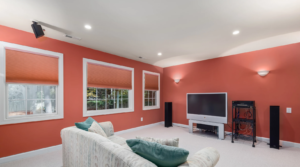


As we approach 2026, the real estate landscape continues to evolve at a remarkable pace. New technologies, tools, and marketing strategies are transforming how properties are marketed and sold. For advertisers and real estate professionals, staying ahead means understanding these changes and adapting their strategies accordingly. In this post, we explore key trends shaping real estate marketing in 2026 and how you can position your brand for success.
Understanding the Changing Real Estate Consumer
With Millennials and Gen Z increasingly driving the housing market, their preferences and behaviours are reshaping the way properties are discovered, marketed, and purchased. Advertisers need to recognise this shift, address their expectations, and adapt messaging to match their journey.
Digital‑First Research
Today’s consumers start their property hunt online, using mobile devices, social media, and immersive tools before ever contacting an agent. Statistics show that digital marketing accounts for a major portion of real estate ad spend.
Experience‑Driven Expectations
These newer buyers value experiences—virtual tours, mobile‑friendly listings, and seamless interactions. They expect more than just a listing page; they want a brand experience that reflects their lifestyle.
Demographic Diversity
As buyers and renters become more diverse in age, culture, and geography, marketing strategies must be inclusive, culturally aware, and personalised based on buyer segments.
Trend 1: Immersive Technology & Virtual Experiences
Technology continues to reshape real estate marketing. In 2026, immersive experiences will play an even larger role in attracting and engaging buyers.
Virtual and Augmented Reality Tours
Virtual showings, 3D walkthroughs, and augmented reality enable buyers to explore properties remotely. These technologies allow advertisers to showcase homes in a new way, especially useful for out‑of‑town or international buyers.
Live Streamed Open Houses
Live virtual events and real‑time property tours are increasingly used to reach audiences who cannot attend in person. This dynamic approach keeps the brand relevant and content fresh.
Interactive Listing Content
Interactive floor plans, clickable hotspots, and AI‑driven visualisations give buyers more control and engagement. A real estate marketing firm must integrate these capabilities to stay competitive.
Trend 2: AI‑Driven Personalisation & Predictive Marketing
AI is now a core part of how property marketers segment, engage, and convert leads. In 2026, forward‑thinking advertisers will leverage AI for deeper personalisation and smarter outreach.
Predictive Lead Scoring
AI models analyse user behaviour, browsing history, and engagement signals to identify high‑intent leads. This allows advertisers to prioritise outreach and tailor messaging accordingly.
Hyper‑Relevant Content Delivery
By using AI‑driven insights, property platforms can deliver content that matches individual preferences—specific neighbourhoods, property styles, or financing options—improving conversion.
Automated Follow‑Up and Nurturing
AI‑powered chatbots, automated email sequences, and personalised content help nurture leads at scale. An enterprise seo consultant can ensure that these systems are optimised for both engagement and SEO value.
Trend 3: Localised SEO & Multi‑Channel Visibility
While national marketing is important, hyper‑local visibility and omni‑channel presence will distinguish successful advertisers in 2026.
Local Search Dominance
Optimising for local search terms, neighbourhood keywords, and voice queries is critical. Ranking for “homes for sale near me” or “best condo in [neighbourhood]” improves when local SEO practices are in place.
Integrating Offline and Online Channels
Offline events—open houses, neighbourhood tours—should feed into online touchpoints. Creating cohesive customer journeys across channels enhances brand recall and lead conversion.
Social and Emerging Platforms
Platforms such as TikTok, Instagram Reels, and even short‑form video apps are becoming crucial for real‑estate marketing. Brands must adapt to formats where younger audiences engage.
Trend 4: Content Strategy That Educates and Converts
Content isn’t just about showcasing listings anymore; it’s about building trust, educating buyers, and supporting the entire journey. Advertisers who invest strategically in content will stand out in 2026.
Story‑Driven Property Narratives
Listing descriptions and blogs should tell the story of the property, neighbourhood, and lifestyle—not just room dimensions. Emotional resonance drives engagement.
Insightful Market Education
Resources like neighbourhood guides, market trend reports, financing advice, and homeowner checklists position your brand as a trusted advisor—not just a seller. A brand like centric can support content creation and distribution aligned with marketing goals.
Video and Live Content Integration
Video remains a powerful content format. Testimonials, property tours, behind‑the‑scenes content, and live Q&A sessions deepen engagement and build community.
Trend 5: Sustainability, Wellness & Inclusivity Messaging
2026 buyers increasingly prioritise sustainability, wellness features, and inclusive design in properties. Marketing messaging needs to reflect these values.
Highlighting Eco‑Friendly Features
Properties with EV chargers, solar roofs, or low‑carbon finishes are gaining traction. Marketers should highlight these features prominently to align with buyer values.
Wellness‑Centric Amenities
Saunas, home gyms, air‑filtration systems, and walkable neighbourhoods are now key decision drivers. Wellness‑focused content connects with modern buyers.
Inclusive Representation in Visuals and Tone
Marketing should reflect diverse demographics and inclusive values. Visuals, language, and outreach campaigns need to be mindful and inclusive across age, ethnicity, ability, and family types.
Trend 6: Data‑Driven Ad Spend and Attribution
In 2026, advertisers will increasingly demand measurable ROI, deeper attribution models, and data‑driven decision‑making. This means smarter ad spend and optimisation.
Performance Metrics Over Vanity Metrics
Beyond clicks and views, advertisers are focusing on conversions, cost‑per‑lead, lead quality, and lifecycle value. A robust real estate marketing firm helps track these key metrics.
Attribution Across the Funnel
As buyers interact across many channels and devices, accurate attribution models will ensure marketers understand which touchpoints truly drive conversions.
Optimising Ad Spend in Real Time
Dynamic bidding, audience segmentation, and real‑time optimisation refine expenditure. Advertisers must shift budget quickly based on performance and emerging trends.
Trend 7: Voice Search, Smart Home Integration & IoT
With voice assistants, smart home tech, and IoT devices on the rise, real estate marketers must account for these shifts in consumer behaviour and search patterns.
Optimising for Voice Queries
Longer, conversational queries like “find a 3‑bed condo near downtown with home office” are common. Optimising listings and content for natural language is critical.
Smart Home Features as Selling Points
Properties equipped with smart thermostats, security systems, and IoT integrations appeal to tech‑savvy buyers. Marketers should highlight these features and show functionality in use.
Seamless Integration with Digital Guidebooks
Interactive digital guidebooks or apps tied to properties can offer buyers a living walkthrough of features, amenities, and smart integrations—adding perceived value.
Trend 8: Agility and Real‑Time Marketing Response
2026 will reward advertisers who can pivot quickly, adapt to new platforms, trends, and consumer behaviour, and deliver real‑time, relevant content.
Agile Content Production
Rather than quarterly content plans, marketers must move faster—responding to trending queries, social topics, and rapid audience shifts. A responsive agency helps maintain relevance.
Real‑Time Listing Promotion
Social platforms, live tours, rapid campaigns based on new inventory or market changes increase competitiveness and relevance.
Continuous Learning and Testing
Testing headlines, messaging, ad formats, and channels regularly ensures brands stay ahead of algorithm and consumer shifts. Centric advises frequent performance reviews and iterative marketing improvements.
Trend 9: Influencer Marketing and User‑Generated Content
Influencer collaborations and user‑generated content (UGC) will continue to play a key role in building authenticity and reaching niche audiences in 2026.
Collaborating with Local Influencers
Local lifestyle influencers, home décor personalities, and neighbourhood advocates can help promote properties in a natural, trust‑based way.
Encouraging Testimonials and Reviews
Current homeowners sharing their positive experience through videos or posts generates trust and improves visibility across platforms.
Branded Community‑Generated Content
Encouraging your audience to share their home‑buying journey, move‑in photos, or renovation tips offers authentic content that resonates with prospects.
Trend 10: Evolving Buyer Journeys and Longer Consideration Cycles
In 2026, more buyers will engage in prolonged research and multi‑touch journeys before conversion. Real estate advertisers must optimise for the full journey—not just listing to sale.
Mapping the Entire Buyer Journey
From awareness to evaluation to purchase, each step must have content, nurture flows, and targeted outreach. The role of an enterprise seo consultant becomes highly relevant to optimise every touchpoint for search and discovery.
Remarketing and Lead Nurturing
Staying engaged with leads through personalised sequences, re‑engagement campaigns, and timely follow‑up helps prevent drop‑off during longer buying cycles.
Multi‑Device and Cross‑Channel Consistency
Buyers may begin on mobile social media, continue on desktop research, and finish at an open house. Consistent messaging and experience across devices matter.
Trend 11: Hyper‑Local Market Insights and Micro‑Segmenting
Understanding neighbourhood‑level trends and micro‑segments will allow advertisers to tailor campaigns more precisely and speak directly to buyer motivations.
Micro‑Segment Content Creation
Rather than broad city‑wide targeting, producing content for specific neighbourhoods, school zones, or amenity clusters builds stronger relevance and trust.
Localised Data Visualisations
Interactive neighbourhood heat‑maps, commute‑time overlays, and school performance metrics appeal to buyers’ research mindset.
Dynamic Price‑Segment Targeting
With tighter budgets and more educated buyers, segmenting by price brackets, lifestyle preferences, and property types ensures more efficient ad spend and precision.
Trend 12: Regulators, Privacy and Ethical Marketing
With increasing regulation around data privacy, AI‑driven targeting and digital ads, real estate marketers must stay compliant and ethical while still driving performance.
Transparent Data Usage
Being upfront about data collection, consent, and personalisation not only ensures compliance but builds trust in your brand.
Ethical Use of AI in Listings
Using AI‑generated imagery, virtual staging, or chatbots must respect authenticity and avoid misleading representations or bias.
Accessibility and Inclusive Marketing
Ensuring your digital presence is accessible—not just visually but in content tone, representation, and language—is increasingly important for both compliance and user‑experience.
Moving Forward with Confidence
As we look ahead to 2026, the real estate marketing landscape will reward those who embrace innovation, stay focused on the buyer, and invest in technologies, strategies, and partnerships that reflect this new era. Whether you’re working with a specialised real estate marketing firm, engaging a seasoned enterprise seo consultant for your campaigns, or partnering with the team at centric for end‑to‑end strategy and execution, the key is to adapt, test and evolve. The market is shifting—those who anticipate and respond will lead.