

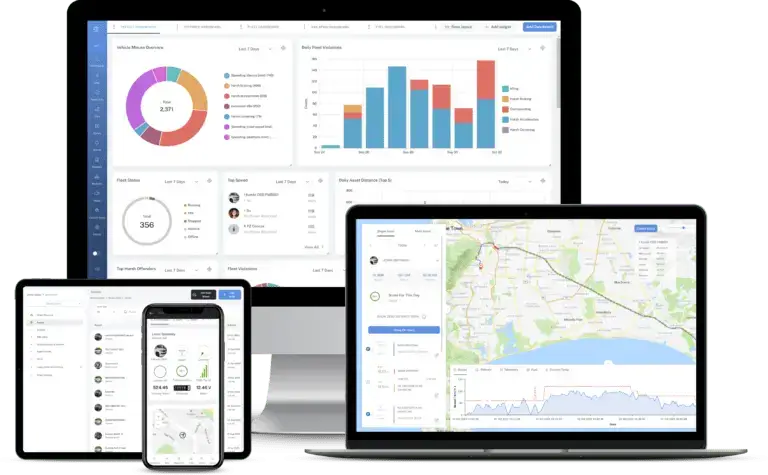
Cookieless tracking software is often described as a replacement for third-party cookies. That sounds neat, but it sets the wrong expectation. In reality, cookie loss is only one part of the shift. Browsers, consent choices, and stricter data handling have changed what teams can reliably measure.
Good cookieless tracking software is not only a dashboard. It is a solution that helps you collect first-party signals cleanly, respect consent, and still answer the questions your team relies on to plan budgets, measure performance, and explain outcomes.
What Cookieless Tracking Software Is Designed To Do
Cookieless tracking software helps you measure journeys and conversions without depending on third-party cookies. It usually does this by strengthening what you control.
It Improves First-Party Measurement
It focuses on signals collected through your own site and product, such as form submissions, signups, purchases, and key product events.
It Makes Tracking More Reliable
It reduces common failure points like dropped tags, inconsistent firing, and missing conversion events.
It Helps Enforce Consent Choices
It supports consent-based collection and routing, so users’ privacy preferences are respected across tools.
It Creates Reporting Teams Can Trust
It reduces conflicting counts and helps you explain gaps instead of hiding them.
Why Teams Adopt A Cookieless Tracking Solution
Most teams do not adopt a cookieless tracking solution because cookies disappeared. They adopt because decisions got harder.
Reporting Started To Drift
Analytics, ad platforms, and CRM reports stopped matching closely enough for comfort. Teams lost confidence in the numbers.
Conversion Tracking Became Less Stable
Key events were missed due to script limits, ad blockers, browser behavior, or broken tags.
Consent Requirements Became A Daily Concern
It became harder to prove that tracking respects user choices across regions and tools.
Attribution Conversations Became Noisy
Leadership still wanted answers, but the old “one number” story no longer held up.
Cookieless tracking software is valuable when it reduces those problems and makes decisions easier.
Core Features To Look For In Cookieless Tracking Software
Many products claim cookieless support. These are the features that usually separate a reliable platform from a brittle one.
First-Party Source Capture And Storage
You want stable campaign context, not a temporary browser-only view.
Look for:
- Clean UTM and referrer capture on landing.
- Rules for handling first-touch and last-touch consistently.
- Cross-domain support if users move between subdomains or sites.
- The ability to pass source context into backend systems at conversion.
Server-Side Event Collection For Key Conversions
Server-side collection can reduce conversion loss for high-value events.
Look for:
- Simple setup for server-side conversion events.
- Event payloads that are transparent and easy to audit.
- Flexible routing to analytics tools, ad platforms, and data warehouses.
- Controls that ensure consent affects both collection and routing.
Consent-Based Collection And Routing
Consent is not only compliance. It is data quality.
Look for:
- Tag and event behavior that changes based on consent states.
- Integration with consent management platforms.
- Region-aware rules if your audience spans geographies.
- Logs that show what was blocked versus what was collected.
Event Standardization And Governance
Cookieless setups fail when teams create inconsistent event names and properties.
Look for:
- An event dictionary or schema support.
- Clear naming and property conventions.
- Version history and rollback.
- Role-based permissions and approvals.
Identity Handling That Is Clear And Defensible
In cookieless tracking, identity should be tied to user actions, not guesswork.
Look for:
- First-party IDs created by your product or backend.
- Clear rules for when a user becomes “known.”
- Separation between anonymous behavior and identified activity.
- Transparent matching logic that you can explain internally.
Debugging And Monitoring
Cookieless tracking failures are often silent.
Look for:
- Real-time event inspection and debugging views.
- Error logs that show why an event did not fire or route.
- Environment controls such as dev, staging, and production.
- Alerts for drops in key conversion events.
Common Use Cases For Cookieless Tracking Software
A cookieless tracking solution is most valuable when you apply it to clear business outcomes. These use cases tend to show results quickly.
Use Case One: Stabilizing Conversion Tracking For Paid Media
Paid budgets depend on conversion signals. If conversions drop or become inconsistent, optimization gets worse.
Cookieless tracking software can help by:
- Capturing high-value conversions server-side to reduce loss.
- Standardizing conversion definitions so analytics and ads align better.
- Routing only the right events to ad platforms based on consent.
What to validate during setup:
- One conversion event end to end, such as demo booked or purchase completed.
- Matching between backend truth and reporting views.
- Clear handling of consent and missing identity.
Use Case Two: Improving Attribution Clarity Without Chasing Perfection
Attribution will not be perfect in modern environments. The goal is clarity that supports decisions.
Cookieless tracking software can help by:
- Anchoring reporting to first-party conversions.
- Preserving source context so journeys are not lost.
- Offering layered reporting that separates backend truth, first-party attribution, and platform estimates.
A practical outcome:
- Fewer debates about whose dashboard is “right.”
- Faster budget shifts because the story is clearer.
Use Case Three: Building A More Trustworthy Analytics Foundation
Many teams are not trying to track “more.” They want tracking that holds up.
Cookieless tracking software can help by:
- Reducing tag sprawl and inconsistencies across tools.
- Creating a single event schema for analytics, ads, and CRM.
- Giving teams one set of definitions they can reference.
This matters most when multiple teams touch tracking, such as marketing ops, product analytics, and data engineering.
Use Case Four: Measuring Full-Funnel Performance Across Web And Product
Teams often lose the journey when users move from the website to app.
Cookieless tracking software can help by:
- Connecting website source context to product conversion events.
- Standardizing events across web and product environments.
- Creating a consistent funnel view from acquisition to activation.
This is especially useful for subscription products, SaaS onboarding, and ecommerce where repeat purchases matter.
Use Case Five: Consent-First Tracking That Still Supports Reporting
Consent rules can fragment data. The goal is not to ignore it. The goal is to design around it.
Cookieless tracking software can help by:
- Enforcing consent-based routing so marketing destinations only receive what they should.
- Providing reporting that shows where visibility drops due to opt-outs.
- Keeping tracking behavior consistent across regions and devices.
This supports trust and reduces the risk of accidental leakage into marketing tools.
How To Choose The Right Cookieless Tracking Solution
A clean decision comes from matching platform strengths to your biggest problem.
If Your Biggest Problem Is Lost Conversions
Prioritize server-side event collection, transparent payloads, and strong validation tooling.
If Your Biggest Problem Is Conflicting Numbers
Prioritize event standardization, governance, and layered reporting that anchors to backend truth.
If Your Biggest Problem Is Consent Complexity
Prioritize consent-based routing, integrations with consent tools, region-aware rules, and audit logs.
If Your Biggest Problem Is Scaling Across Teams And Properties
Prioritize permissions, approvals, version control, and reusable templates for events.
What To Ask In A Vendor Demo
Demos can look smooth. Ask questions that reveal how the system behaves when things get messy.
Ask For An End-To-End Conversion Walkthrough
Ask how one conversion is captured, stored, routed, and reported across tools. Ask how it behaves under different consent choices.
Ask How Source Context Is Preserved
Ask how UTMs and referrers are stored and passed forward when a user converts days later.
Ask How The Platform Handles Blind Spots
Ask what happens when identity is not available, when tracking is blocked, or when cross-domain journeys break.
Ask How Changes Are Governed
Ask who can edit, who can publish, and how rollback works if something goes wrong.
Common Mistakes That Reduce Value
Cookieless tracking software delivers results when it is used with discipline.
Mistake One: Tracking Everything Instead Of What Matters
Start with a short list of high-value events. Expand later.
Mistake Two: Letting Teams Create Conflicting Definitions
Build a shared event plan and enforce naming rules.
Mistake Three: Treating Consent As A Banner, Not A System Rule
Consent needs enforcement in both collection and routing, not only in the interface.
Mistake Four: Skipping Validation
Always validate against backend truth and CRM records, especially for conversions tied to budget decisions.
What Good Looks Like After Implementation
You will know your cookieless tracking software is working when:
- Key conversions remain stable enough to guide spend.
- Source capture stays consistent across channels and domains.
- Consent choices are respected end-to-end.
- Reporting gaps are explainable instead of confusing.
- Teams trust the numbers enough to act without constant debates.
Cookieless tracking is not about recreating the old cookie world. It is about building measurement that stays reliable as privacy and browser behavior continue to change.
FAQs
1) What Is Cookieless Tracking Software
Cookieless tracking software measures journeys and conversions without relying on third-party cookies. It usually focuses on first-party data, consent-aware tracking, and more reliable collection of key conversion events.
2) Does A Cookieless Tracking Solution Replace Attribution
It can improve clarity, but it will not fully recreate cookie-based user-level attribution. The best setups use layered reporting that separates backend truth, first-party attribution, and platform estimates.
3) Do I Need Server-Side Tracking For Cookieless Measurement
Not for everything. Many teams use server-side collection for high-value conversion events while keeping lighter interactions client-side.
4) How Does Consent Affect Cookieless Tracking
Consent affects what data can be collected and where it can be sent. Good tools enforce consent-based routing and provide logs that show what was collected or blocked.
5) What Is The Fastest Way To Get Value From Cookieless Tracking Software
Start with one high-value conversion event, fix source capture, validate against backend truth, and build reporting that teams can trust. Expand to more events once the foundation is stable.