
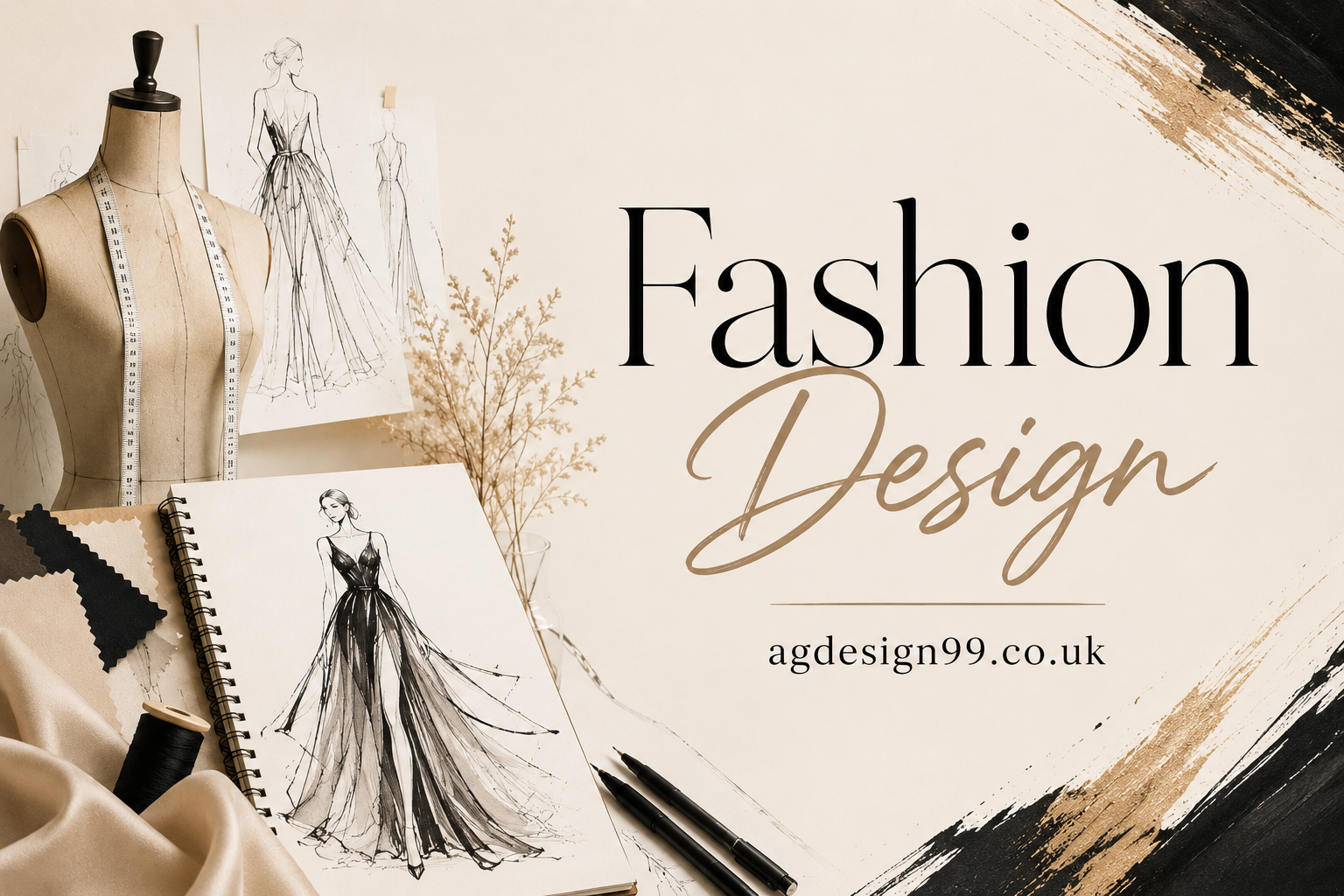
Fashion design. Fashion changes quickly, and people often struggle to understand how trends appear and why some styles become popular while others disappear. This creates curiosity because fashion looks simple from the outside but involves deep thinking and careful decisions behind the scenes. Fashion design connects imagination with practical creation and helps people express personality, culture, mood, and identity through clothing.
What Fashion Design Means
Fashion design is the process of creating clothing, accessories, and wearable styles by combining creativity, function, and visual appeal. What it means is turning ideas into garments that people can actually wear and enjoy. Fashion designers think about colors, shapes, materials, comfort, and trends while developing their work. They do not simply draw attractive outfits. Instead, they solve problems related to appearance, movement, climate, lifestyle, and production. Fashion design can focus on luxury collections, everyday clothing, sportswear, uniforms, or sustainable products. The goal is to create pieces that connect with people emotionally while serving practical needs.
The Origin and Background of Fashion Design
Fashion design has existed for centuries in different forms because people have always cared about appearance and clothing. In earlier times, garments mainly represented social class, profession, and culture. As societies developed, clothing became more personal and expressive. During the modern era, dedicated designers began creating original collections instead of copying existing styles. Fashion houses introduced seasonal designs and changed how people viewed clothing. Over time, technology, global communication, and cultural exchange expanded fashion into an international industry. Today, fashion design combines tradition with innovation and continues to evolve across every region of the world.
Why Fashion Design Matters in Daily Life
Fashion design influences more than appearance because clothing affects confidence, communication, and first impressions. People choose clothes for work, celebrations, travel, and everyday activities. A well-designed outfit can improve comfort and support self-expression. What it means is that fashion becomes part of how people tell their story without speaking. Designers study behavior and create garments that fit changing lifestyles. Whether someone prefers classic styles or modern trends, fashion design helps create options that reflect different personalities and needs across society.
The Creative Mind Behind Fashion Design
Fashion design begins inside the imagination of a designer who observes the world carefully. Inspiration can come from nature, architecture, travel, emotions, technology, history, or daily life. Designers often collect ideas and transform them into original concepts. Creativity in fashion does not mean random choices. Instead, successful designers organize ideas into clear visual directions. They balance artistic thinking with practical decisions. This process allows them to create clothing that feels fresh while remaining wearable and meaningful.
Understanding the Core Elements of Fashion Design
Fashion design depends on several important elements working together. Shape creates the structure of clothing and affects how garments fit the body. Color influences mood and visual impact. Texture changes how clothing feels and appears. Fabric selection determines comfort, movement, and durability. Patterns create the foundation for construction. Details such as buttons, stitching, and finishes improve appearance and functionality. What it means is that every small choice contributes to the final result and influences how people experience the clothing.
How Fashion Design Works Step by Step
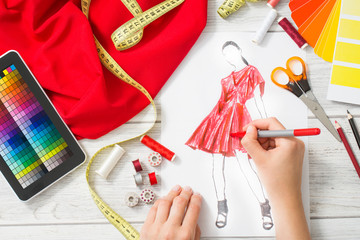
Fashion design follows a structured process even though creativity plays a major role. Designers usually begin with research and inspiration gathering. They create sketches to visualize ideas and then select suitable materials. Next, patterns are developed and samples are produced. These samples go through fittings and adjustments before reaching final production. Designers review proportions, comfort, and appearance throughout the process. After approval, garments move into manufacturing and distribution. This organized approach allows ideas to become real products.
The Role of Sketching in Fashion Design
Sketching helps designers communicate ideas before creating physical garments. Fashion sketches allow experimentation with shapes, colors, and styles without wasting materials. Designers use sketches to explore different concepts and compare options. Even simple drawings help explain how a garment should look and function. What it means is that sketching becomes a visual language connecting imagination with production. Digital tools have expanded possibilities, but hand sketching remains valuable because it encourages quick creative exploration.
Fabrics and Materials in Fashion Design
Fabric selection changes the entire character of a garment. The same design can feel elegant, casual, sporty, or luxurious depending on the material used. Cotton provides comfort and breathability while silk creates softness and elegance. Denim offers structure and durability. Modern fashion design also uses recycled fabrics and innovative textiles. Designers study texture, weight, flexibility, and maintenance requirements before making decisions. Choosing the right fabric ensures that design ideas perform well in real-world situations.
Color and Visual Identity in Fashion Design
Color plays a powerful role in fashion because it creates emotional responses and shapes visual identity. Bright colors often communicate energy while softer tones create calm and elegance. Designers study color relationships and seasonal preferences when building collections. What it means is that color selection influences how people feel when wearing clothing. Fashion design uses color strategically to highlight details, create harmony, and strengthen brand identity.
Pattern Making and Garment Construction
Pattern making transforms flat ideas into wearable forms. Designers create templates that guide cutting and sewing processes. Construction determines how pieces connect and move on the body. Accurate patterns improve fit and reduce waste. Fashion design depends heavily on technical knowledge because beautiful sketches alone cannot produce functional clothing. Skilled construction ensures durability, comfort, and visual quality while maintaining the original design concept.
Fashion Design and Personal Expression
People use fashion to communicate identity, values, and emotions. Clothing choices often reflect lifestyle, culture, and personality. Fashion design creates opportunities for individuals to express themselves confidently. Some people prefer minimalist styles while others enjoy bold and artistic outfits. Designers create collections for different preferences and experiences. What it means is that fashion becomes more than clothing because it helps individuals show who they are.
Fashion Design in Different Industries
Fashion design appears in many industries beyond traditional clothing brands. Sports companies develop performance wear that supports movement and comfort. Entertainment industries create costumes that support storytelling. Hospitality businesses design uniforms that represent their image. Healthcare organizations require practical and hygienic clothing solutions. Fashion design also influences luxury markets and everyday retail. Its reach continues to expand across professional and personal environments.
Imaginary Example of Fashion Design in Action
Imagine a designer named Sara who notices that office workers want stylish clothes that remain comfortable throughout long days. She researches fabrics, sketches multiple concepts, and creates lightweight garments with flexible materials. After testing and improving the fit, she launches a small collection. Customers appreciate the balance between comfort and appearance. This example shows how fashion design solves real problems while creating attractive products that meet everyday needs.
Benefits of Learning Fashion Design
Learning fashion design develops creativity and problem-solving abilities while opening career opportunities. Students gain knowledge about color, materials, construction, and visual communication. Fashion design encourages observation and innovation because designers constantly search for better solutions. It also teaches patience and attention to detail. What it means is that fashion education provides both artistic growth and practical skills useful in many industries.
Fashion Design and Sustainable Thinking
Sustainability has become increasingly important in fashion design because clothing production affects environmental resources. Designers now explore recycled materials, ethical sourcing, and waste reduction methods. Consumers also expect more responsible practices. Sustainable fashion design encourages longer product life and thoughtful production decisions. This approach creates clothing that supports environmental awareness without sacrificing creativity or style.
Challenges and Limitations of Fashion Design
Fashion design offers exciting opportunities but also includes challenges. Trends change quickly and competition remains strong. Designers must balance originality with market expectations and production limits. Material costs and manufacturing issues can affect creative decisions. Consumer preferences may shift unexpectedly. What it means is that success in fashion requires adaptability, persistence, and continuous learning rather than artistic talent alone.
Technology Changing Fashion Design
Technology has transformed fashion design in remarkable ways. Digital illustration tools allow faster experimentation and communication. Three-dimensional modeling helps designers visualize garments before production. Automated systems improve manufacturing efficiency. Data analysis helps identify trends and customer preferences. Fashion design now combines artistic thinking with advanced tools that support better decisions and more efficient workflows.
Artificial Intelligence and the Future of Fashion Design
Artificial intelligence is beginning to influence fashion design by helping analyze trends, generate concepts, and improve production planning. Designers can use intelligent systems to explore color combinations and predict consumer interests. However, human creativity remains essential because fashion depends on emotion, culture, and personal expression. The future will likely combine technology with human imagination to create more personalized and sustainable fashion experiences.
Building a Career in Fashion Design
A career in fashion design can follow many paths including design, styling, merchandising, textile development, creative direction, and brand management. Success often comes from developing a strong portfolio and gaining practical experience. Designers continue learning throughout their careers because trends, tools, and customer expectations constantly change. Building relationships and understanding markets also play important roles in long-term growth.
Common Misunderstandings About Fashion Design
Many people believe fashion design only involves drawing beautiful clothes, but the reality is much broader. Designers spend time researching, planning, testing, and solving practical challenges. Another misconception is that fashion only belongs to luxury brands. In truth, fashion design influences everyday clothing that millions of people wear. Understanding the full process reveals how much effort exists behind every finished garment.
Fashion Design Trends That Influence Modern Style
Modern fashion design reflects changing lifestyles and cultural movements. Comfortable clothing, inclusive sizing, multifunctional garments, and sustainable materials continue shaping collections. Designers also blend traditional influences with contemporary ideas. Trends evolve because people constantly seek new ways to express themselves while maintaining comfort and practicality.
Why Fashion Design Will Continue to Grow
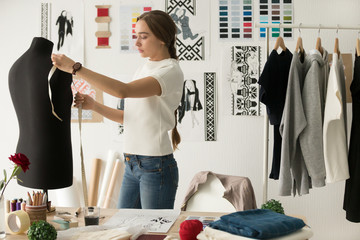
Fashion design will continue growing because people will always need clothing and seek new forms of self-expression. Technology, global communication, and changing lifestyles create endless opportunities for innovation. Designers who understand creativity, functionality, and consumer needs will remain valuable. What it means is that fashion design will continue adapting while staying connected to human identity and culture.
Conclusion
Fashion design is much more than creating attractive clothing because it combines imagination, technical skill, culture, and practical thinking into one creative process. From the earliest ideas to finished garments, every step reflects careful decisions and artistic vision. Fashion helps people communicate identity, feel confident, and adapt to changing lifestyles. As technology and sustainability continue shaping the future, fashion design will remain an exciting field full of possibilities. Anyone interested in creativity and problem solving can explore this world and discover how ideas become wearable experiences.
FAQs
What is fashion design in simple words
Fashion design is the process of creating clothing and accessories through ideas, sketches, materials, and production.
Do fashion designers need drawing skills
Drawing helps, but designers also use digital tools and technical methods to develop ideas.
Is fashion design a good career
Fashion design can be a rewarding career for people who enjoy creativity and continuous learning.
How long does it take to learn fashion design
Basic skills can be learned within months, while professional growth usually develops over several years.
Can technology replace fashion designers
Technology supports designers, but human creativity and understanding of style remain essential.