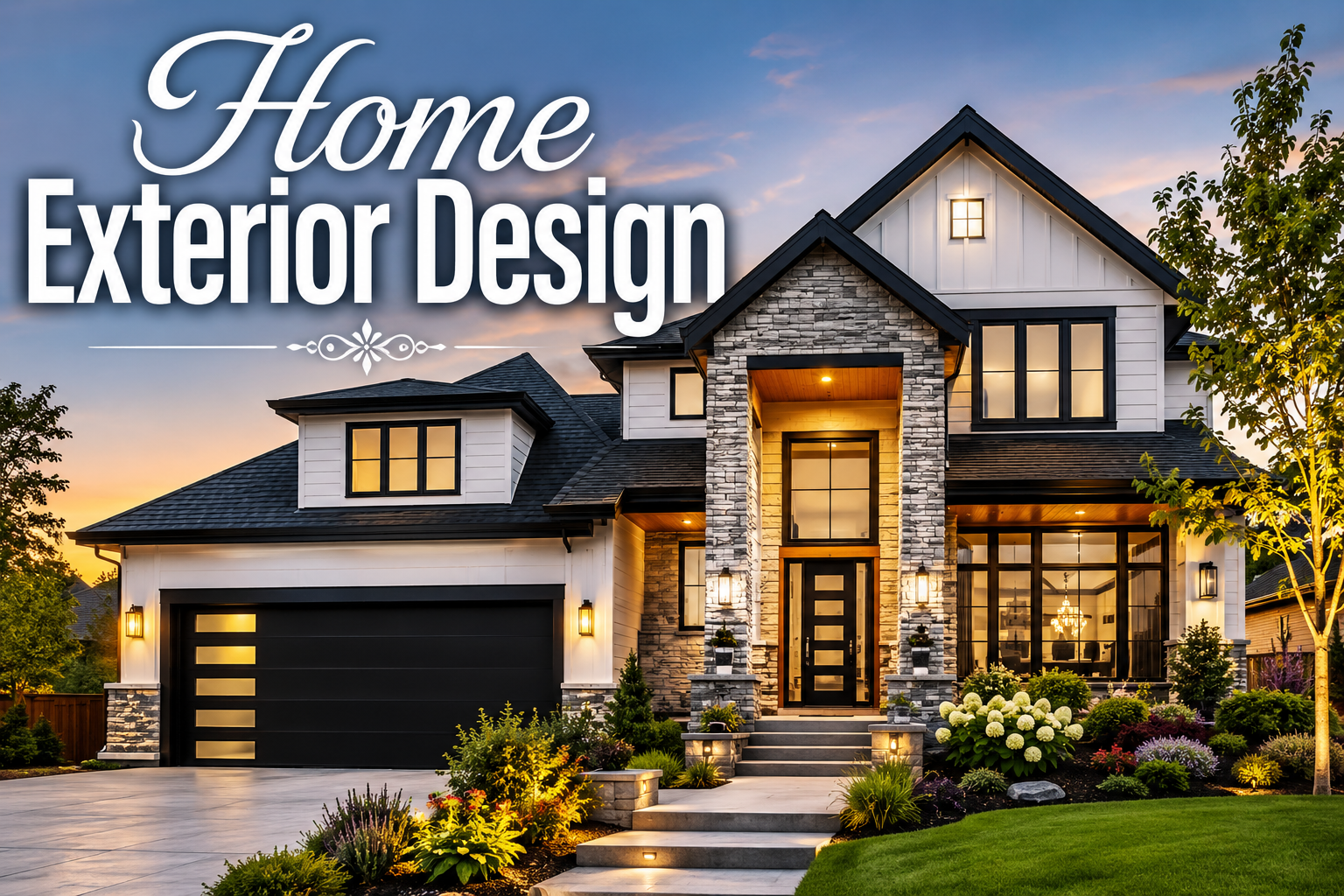
best home exterior design ideas, materials, colors, and trends to create a beautiful, durable, and welcoming house exterior. A well-designed exterior influences how people perceive your home while also protecting it from weather, improving energy efficiency, and reducing maintenance costs. Beyond appearances, the right design choices help preserve the structure, enhance comfort, and create outdoor spaces that families genuinely enjoy. Many homeowners discover that investing in their home’s exterior not only increases resale value but also improves everyday living by making the property feel more inviting and complete.
Understanding Your Home’s Architectural Style
Every successful home exterior design begins by respecting the home’s architectural character rather than fighting against it. A modern house often looks best with clean lines, large windows, and minimal decoration, while a farmhouse benefits from natural textures, welcoming porches, and traditional color palettes. Colonial, Mediterranean, Craftsman, and contemporary homes each have distinctive features that should guide decisions about siding, roofing, lighting, and landscaping to create a harmonious overall appearance.
Choosing the Right Exterior Color Palette
Color has the power to completely transform a home’s personality without changing its structure. Neutral shades like white, gray, beige, and soft taupe remain timeless because they pair well with different materials and landscaping. Dark charcoal, navy blue, and forest green have become increasingly popular for modern homes because they create bold contrast while maintaining elegance. Accent colors on doors, shutters, or trim provide character without overwhelming the design, making it easier to refresh the look in the future.
Selecting Durable Exterior Materials
The materials covering your home’s exterior play a major role in appearance, maintenance, and longevity. Brick offers timeless charm and exceptional durability, while natural stone adds texture and luxury. Fiber cement siding provides the appearance of wood with far less maintenance, making it a practical choice for many climates. Vinyl siding remains affordable and versatile, while wood siding delivers unmatched warmth when properly maintained. Choosing materials suited to your local weather conditions helps ensure the home remains beautiful for many years.
The Importance of Roofing in Exterior Design
A roof occupies a significant portion of a home’s visible exterior, making it an essential design feature rather than simply a protective covering. Asphalt shingles remain popular because they are affordable and available in numerous colors, while metal roofing offers outstanding durability and a sleek contemporary appearance. Clay tiles complement Mediterranean homes, and slate provides timeless sophistication for traditional architecture. Matching the roof color with exterior walls creates visual harmony and enhances the home’s overall aesthetic.
Creating a Welcoming Front Entrance
The front entrance serves as the centerpiece of many home exterior designs because it naturally draws attention. A thoughtfully designed entry combines an attractive front door, quality hardware, decorative lighting, planters, and a well-maintained walkway. Even small upgrades like painting the front door, replacing outdated house numbers, or adding seasonal flowers can dramatically improve the overall impression while making visitors feel warmly welcomed before they even enter the home.
Landscaping That Complements the Home
Beautiful landscaping frames the house and softens architectural lines without overpowering them. Trees provide shade and seasonal interest, shrubs define spaces, and colorful flowers introduce personality throughout the year. Well-maintained lawns, mulch beds, and native plants create an organized appearance while reducing long-term maintenance. Successful landscaping feels like a natural extension of the home’s architecture instead of competing with it for attention.
Outdoor Lighting That Enhances Beauty and Safety
Exterior lighting transforms a home’s appearance after sunset while improving security and functionality. Soft pathway lights guide visitors safely, wall-mounted fixtures illuminate entrances, and landscape lighting highlights trees, gardens, and architectural details. Warm lighting creates a welcoming atmosphere without appearing overly bright, while energy-efficient LED fixtures reduce electricity costs and require minimal maintenance throughout the year.
Windows That Improve Style and Efficiency
Windows contribute significantly to both curb appeal and interior comfort. Large windows increase natural light while creating a modern appearance, whereas divided panes often suit traditional homes better. Black window frames continue gaining popularity because they create striking contrast against light-colored exteriors. Energy-efficient windows with quality insulation also reduce heating and cooling costs, making them a smart investment that combines beauty with long-term savings.
Modern Trends in Home Exterior Design
Today’s home exterior design trends focus on simplicity, sustainability, and timeless appeal rather than short-lived fashions. Mixed materials like wood, stone, and metal create visual depth, while clean architectural lines deliver contemporary elegance. Matte finishes, oversized windows, and natural earth tones continue growing in popularity because they blend modern aesthetics with practical performance. Sustainable materials and environmentally friendly landscaping also reflect increasing homeowner interest in responsible design choices.
Budget-Friendly Exterior Improvements
Improving your home’s exterior does not always require a major renovation. Fresh paint, updated lighting, new house numbers, pressure washing, and well-maintained landscaping often produce dramatic results at relatively low cost. Replacing an old mailbox, refreshing porch furniture, or installing decorative planters can also create a noticeable improvement while staying within a modest budget. Small changes made thoughtfully often deliver greater impact than expensive projects completed without a clear design vision.
Designing for Different Climate Conditions
Climate should always influence exterior design decisions because materials and finishes perform differently in various environments. Homes in rainy regions benefit from moisture-resistant siding and durable roofing, while hot climates often require reflective roofing materials and lighter exterior colors to reduce heat absorption. Coastal homes need corrosion-resistant fixtures and weather-resistant finishes, ensuring beauty and durability despite exposure to salt air and strong winds.
The Role of Texture in Exterior Design
Texture adds visual interest by creating contrast between different surfaces and materials. Combining smooth siding with natural stone, wood accents, or brick creates depth without relying on excessive ornamentation. Even subtle textures introduced through decorative concrete, landscaping, or roofing materials can make the home appear more sophisticated while maintaining a balanced and cohesive appearance that feels inviting from every angle.
Garage Doors as Design Features
Garage doors occupy considerable visual space on many modern homes, making their appearance surprisingly important. Choosing doors that complement the architectural style rather than simply matching the house color creates a more intentional design. Carriage-style doors suit traditional homes, while flush-panel designs enhance contemporary architecture. Decorative windows, quality hardware, and premium finishes help transform the garage from a purely functional element into an attractive architectural feature.
Sustainable Home Exterior Design
Sustainability has become an essential part of modern home design because homeowners increasingly value efficiency alongside appearance. Recycled building materials, solar-ready roofing, rainwater collection systems, native landscaping, and energy-efficient windows all contribute to environmentally responsible living. These improvements often lower utility costs while increasing property appeal, making sustainability both an ethical and financially sensible investment for the future.
Common Exterior Design Mistakes to Avoid
Many homeowners unintentionally create visual clutter by combining too many colors, materials, or decorative features in one project. Ignoring the home’s architectural style, choosing low-quality materials solely to reduce costs, or neglecting regular maintenance can quickly diminish curb appeal. Successful home exterior design relies on consistency, proportion, and thoughtful planning rather than following every new trend that appears on social media or home improvement television shows.
How to Plan Your Exterior Renovation
Planning begins with evaluating your home’s strengths, identifying areas needing improvement, and establishing a realistic budget. Gathering inspiration from neighborhoods, architectural magazines, and design portfolios helps clarify your personal style before making permanent decisions. Consulting experienced contractors or designers can also prevent costly mistakes by ensuring that materials, colors, and structural improvements work together while meeting local building regulations.
Increasing Property Value Through Exterior Design
A thoughtfully designed exterior consistently ranks among the best home improvement investments because buyers often form opinions within seconds of seeing a property. Attractive landscaping, updated siding, energy-efficient windows, quality roofing, and a welcoming entrance create confidence that the home has been well maintained. These improvements not only increase market value but can also shorten selling time by attracting more interested buyers during competitive real estate markets.
Home Exterior Design for Small Houses
Smaller homes can appear more spacious and elegant through careful design choices that emphasize proportion and simplicity. Light-colored exteriors, vertical architectural details, well-placed lighting, and thoughtfully designed landscaping help create the illusion of greater size without expensive structural additions. Keeping decorative elements balanced ensures the home feels refined rather than crowded, allowing its architectural strengths to stand out naturally.
Maintaining Your Home Exterior Year-Round
Even the most beautiful exterior requires regular maintenance to preserve its appearance and structural integrity. Seasonal inspections, cleaning gutters, washing siding, repainting trim when necessary, maintaining landscaping, and checking roofs for damage all help prevent small problems from becoming expensive repairs. Consistent maintenance keeps the property looking attractive throughout every season while protecting the investment you’ve made in your home’s design.
Conclusion
Creating an exceptional home exterior design is about combining style, durability, and functionality into a cohesive vision that reflects both the home’s architecture and the homeowner’s personality. From selecting timeless materials and balanced color palettes to designing inviting entrances and sustainable landscapes, every decision contributes to the property’s overall appeal and long-term value. Whether your budget allows for a complete transformation or a series of smaller upgrades, thoughtful planning and attention to detail will help create an exterior that remains beautiful, practical, and welcoming for many years to come.
Frequently Asked Questions
1. What is the most important element of home exterior design?
The most important element is creating a balanced combination of architecture, colors, materials, landscaping, and lighting that complements the home’s overall style.
2. Which exterior colors are most popular?
White, gray, beige, navy blue, charcoal, and earthy green tones remain among the most popular and timeless choices.
3. How can I improve curb appeal on a budget?
Fresh paint, updated lighting, clean landscaping, pressure washing, and a refreshed front door offer excellent results without major expenses.
4. Which exterior material lasts the longest?
Brick, natural stone, fiber cement siding, and metal roofing are known for their exceptional durability when properly installed and maintained.
5. Does exterior design increase home value?
Yes. A well-maintained and attractive exterior can significantly improve curb appeal, attract buyers, and increase resale value.
Read also: TheHomeTrotters Blog Home Ideas Stylish Ways to Transform Home