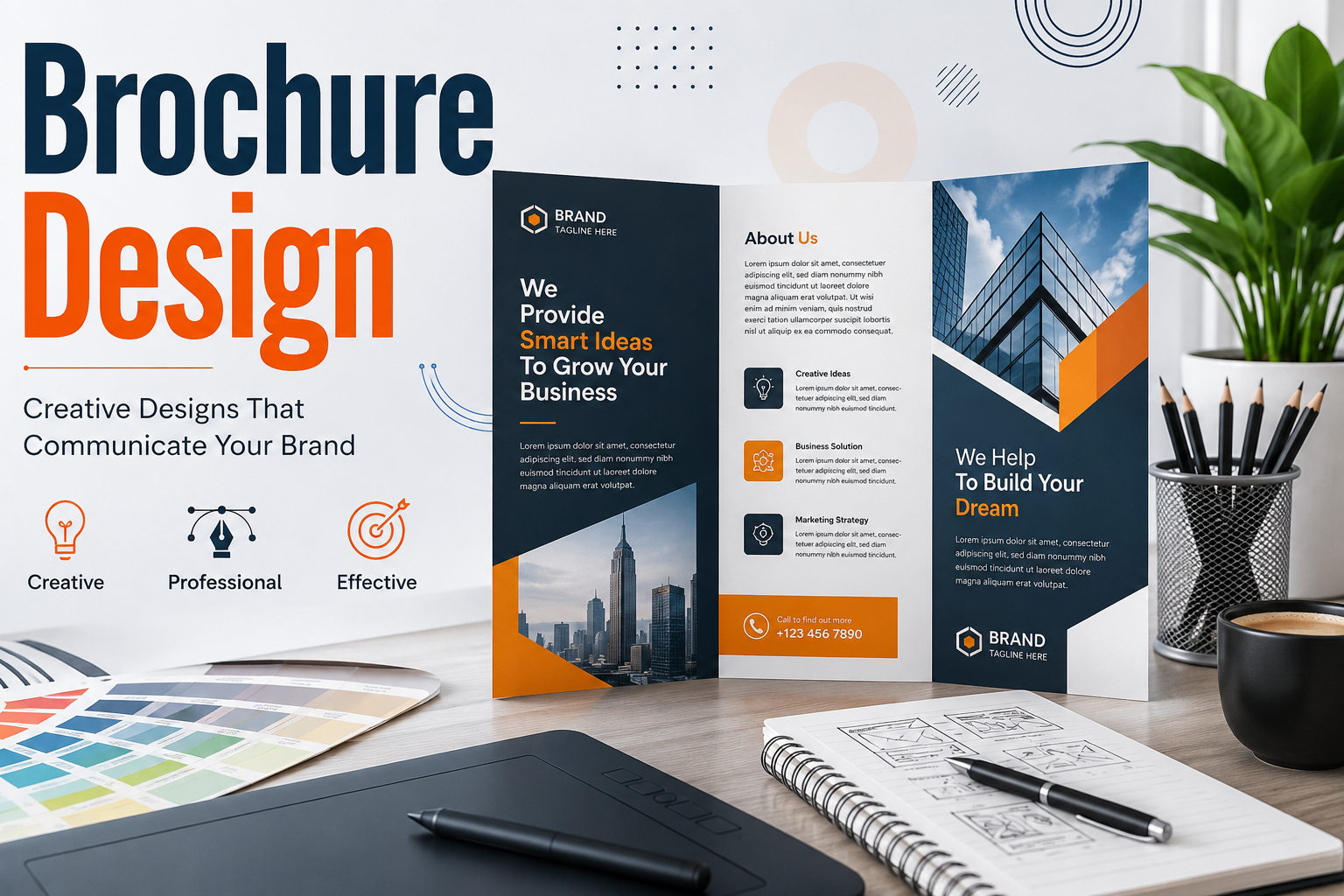
Brochure design is the process of creating an informative marketing document that combines text, images, colors, typography, and layout into a visually appealing format. A professionally designed brochure presents information in a way that is easy to understand while reflecting the personality and values of a brand. Whether printed on premium paper or shared digitally as a PDF, the goal is always to communicate important information in a memorable and engaging way.
Why Brochure Design Still Matters
Many businesses focus heavily on online advertising, yet brochures continue to play an important role because they offer something digital ads often cannot—a physical connection. Customers can hold a brochure, take it home, share it with others, and revisit it whenever needed. This makes brochures especially valuable for trade shows, retail stores, hospitality businesses, healthcare providers, educational institutions, and real estate companies that rely on detailed information and visual presentation.
Understanding the Purpose Before Designing
Every successful brochure begins with a clear objective before any design work starts. Some brochures aim to introduce a company, while others promote services, showcase products, explain pricing, or encourage event registrations. Understanding the intended audience helps determine the writing style, design approach, image selection, and overall layout, ensuring every element supports the brochure’s primary goal.
Choosing the Right Brochure Format
Selecting the appropriate brochure format significantly influences how information is presented and understood. Popular choices include bi-fold brochures for professional presentations, tri-fold brochures for product and service overviews, gate-fold brochures for luxury marketing, and booklet-style brochures for detailed catalogs or company profiles. The format should always match both the amount of content and the expectations of the target audience.
Creating an Eye-Catching Cover
The cover serves as the first impression, making it one of the most important parts of brochure design. A compelling headline, strong brand identity, professional imagery, and clean composition encourage readers to open the brochure and continue exploring. Instead of overwhelming the cover with information, the design should create curiosity while communicating the brochure’s core message instantly.
Organizing Content for Better Readability
A brochure becomes far more effective when information follows a logical sequence that guides readers naturally from one section to the next. Clear headings, short paragraphs, balanced spacing, and strategically placed visuals improve readability while preventing the design from feeling crowded. Good organization helps readers quickly locate the information most relevant to their needs.
The Importance of Typography
Typography influences both readability and brand personality. Professional brochure design typically combines one or two complementary fonts while maintaining consistent sizes, spacing, and hierarchy throughout the document. Headlines should attract attention, subheadings should guide navigation, and body text should remain comfortable to read without appearing cramped or overly decorative.
Selecting Colors That Support Your Brand
Color selection affects how readers perceive a business long before they finish reading the brochure. Brand colors create consistency across marketing materials while carefully chosen accent colors highlight important information without becoming distracting. Strong color contrast also improves accessibility, making content easier for everyone to read regardless of lighting conditions or viewing environment.
Using High-Quality Images
Professional photography and high-resolution graphics elevate brochure design by building credibility and creating emotional connections with readers. Authentic images of products, employees, workplaces, or satisfied customers often perform better than generic stock photos because they reinforce trust and demonstrate real business experiences. Every image should support the message rather than simply filling empty space.
Writing Copy That Converts
Effective brochure copy focuses on solving customer problems instead of listing endless features. Clear language, persuasive headlines, practical benefits, and compelling calls to action encourage readers to take the next step, whether scheduling a consultation, visiting a website, requesting a quote, or making a purchase. Every sentence should add value without overwhelming the audience with unnecessary information.
Balancing White Space
White space is not wasted space; it is a critical design element that improves readability and visual comfort. Proper spacing around images, text blocks, and headings helps important information stand out while creating a clean, modern appearance. Crowded brochures often discourage readers, whereas balanced layouts feel organized, professional, and inviting.
Designing for Print and Digital Use
Modern brochure design frequently serves both printed and digital audiences. Print brochures require attention to bleed areas, margins, color profiles, and paper quality, while digital brochures benefit from clickable links, optimized file sizes, and responsive viewing across various devices. Designing with both formats in mind increases flexibility and maximizes marketing value.
Common Brochure Design Mistakes
Many brochures lose their effectiveness because they include excessive text, inconsistent fonts, low-quality images, poor alignment, or weak calls to action. Another common mistake is designing without understanding the target audience, which often leads to confusing messaging and lower engagement. Reviewing every element before publishing helps eliminate these issues and strengthens overall communication.
Brochure Design Trends
Today’s brochure designs emphasize minimalism, bold typography, vibrant yet balanced color palettes, clean grid systems, custom illustrations, and interactive digital experiences. Businesses increasingly combine traditional print brochures with QR codes that direct readers to videos, websites, product demonstrations, or online booking pages, creating a seamless connection between offline and online marketing.
How Professional Brochure Design Builds Trust
A professionally designed brochure communicates attention to detail and reinforces the credibility of a business. Customers naturally associate polished marketing materials with higher-quality products and services because consistent branding, thoughtful layouts, and accurate information demonstrate professionalism. Investing in quality design often strengthens customer confidence before any direct conversation even begins.
The Future of Brochure Design
As marketing continues to evolve, brochure design is becoming increasingly integrated with digital technology while maintaining its traditional strengths. Interactive PDFs, augmented reality features, personalized content, and sustainable printing practices are shaping the future without replacing the timeless value of clear communication and attractive visual presentation. Businesses that combine creativity with usability will continue to benefit from brochures as powerful marketing tools.
Conclusion
Brochure design is much more than arranging text and pictures on a page. It combines strategic planning, thoughtful writing, effective branding, strong visual hierarchy, and user-focused design to create marketing materials that educate, inspire, and persuade. Whether you’re creating a brochure for a small local business or a global organization, prioritizing clarity, consistency, and professional presentation will help your message reach the right audience and leave a memorable impression.
Frequently Asked Questions
1. What is brochure design?
Brochure design is the process of creating visually appealing marketing materials that combine text, images, colors, and layout to communicate information effectively.
2. Why is brochure design important?
A well-designed brochure strengthens brand identity, improves communication, and helps businesses promote products or services professionally.
3. What software is commonly used for brochure design?
Popular tools include Adobe InDesign, Adobe Illustrator, Adobe Photoshop, Canva, Affinity Publisher, and Microsoft Publisher.
4. What is the best brochure layout?
The best layout depends on your content, but tri-fold and bi-fold brochures are the most widely used because they are easy to read and distribute.
5. How many pages should a brochure have?
Most brochures range from four to twelve panels, depending on the format and the amount of information being presented.
Read also: Home Hacks Decoradtech Creative Ways to Upgrade Your Living Space