
If you run a print shop or want to start one, picking the right DTF printer size matters a lot. DTF stands for Direct to Film, and these printers help make custom designs on shirts, hats, and other items. The size of the printer affects how much you can print, how much space it takes, and your costs. In this guide, we will go over the steps to help you decide. We will look at common sizes, key factors, and tips to match your needs.
What Are the Common Sizes of DTF Printers?
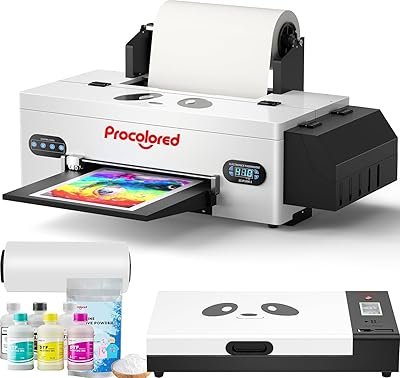
DTF printers come in different widths for the film they use. The main sizes are 13 inches, 24 inches, 60 cm (about 24 inches), and larger ones like 60 inches. Small ones, like 13 inches, are good for beginners or home use. They print on narrow film, so you can make small designs fast.
Medium sizes, such as 24 inches, fit most small businesses. They handle bigger designs and more volume without taking too much room. For example, a 24 inch DTF printer can print multiple items at once, like two shirt fronts side by side. This size strikes a balance between speed and space.
Larger printers, over 24 inches, are for big operations. A 60-inch model can print wide banners or many designs in one go. These are great for high-volume shops but need more space and power.
Each size has its pros and cons. Small printers cost less and are easy to set up. Medium ones offer more output for growing needs. Big ones boost production but raise upfront costs.
Why Size Matters in DTF Printing
The printer size impacts your daily work. A wrong choice can lead to waste or slow output. If you pick too small, you might run out of capacity during busy times. Too big, and you pay for features you do not use.
Size affects film usage too. Wider printers use bigger rolls, which can save money per print if you buy in bulk. But small rolls are cheaper to start with.
Power and maintenance play a role. Larger machines often need stronger outlets and more upkeep. Check your setup before buying.
In short, match the size to your current and future needs. Think about growth. If you plan to expand, go a bit bigger.
Key Factors to Consider When Choosing Size
Several things help decide the right size. Let’s break them down.
First, look at your production volume. How many items do you print per day? For low volume, under 50 pieces, a 13-inch printer works fine. It handles small runs quickly. For medium volume, 50 to 200 pieces, choose 24 inches. This size speeds up work without overload. High volume, over 200, needs 60 inches or more to keep up.
Next, check your available space. Measure your work area. Small printers fit on a desk, about 2 feet wide. Medium ones need a table or stand, around 3 to 4 feet. Large ones require a dedicated room, 5 feet or wider. Include space for film rolls and drying areas.
Budget is key. Small printers start at $1,000 to $3,000. Medium ones cost $3,000 to $10,000. Big models go over $10,000. Factor in ongoing costs like ink, film, and powder. Wider printers use more supplies but can lower cost per print.
Think about the types of items you print. For small logos or hats, narrow sizes suffice. For full-back designs or hoodies, wider is better. If you do mixed sizes, medium offers flexibility.
Power supply matters. Some large printers need 220V outlets, while small ones use standard 110V. Check your building’s setup.
Ease of use is another point. Beginners might prefer smaller machines with simple controls. Pros can handle bigger ones with advanced features.
Finally, consider brand support. Good companies offer help and parts. For instance, visit https://www.dtflinko.com/ to see options and get advice.
Pros and Cons of Each Size
Let’s detail the ups and downs.
For 13-inch printers: Pros include low cost, small footprint, and easy setup. They are great for testing ideas or hobby use. Cons are limited output and smaller designs. You might need multiple passes for big jobs.
24-inch printers: Pros are good speed, versatile design sizes, and fair price. They suit most startups. Cons include higher initial cost than small ones and need for more space.
60-inch or larger: Pros are high speed, bulk printing, and cost savings on large runs. Cons are high price, big space needs, and complex maintenance.
Pick based on your main needs. If space is tight, go small. If volume is key, go big.
How to Test Before Buying
Do not buy blind. Research first. Read reviews from users with similar needs. Watch videos on setup and operation.
Ask for demos. Many sellers offer trials or samples. Print your designs to see quality.
Calculate costs. Estimate monthly output and supply needs. Compare sizes on total expense.
Talk to experts. Join forums or groups for DTF users. They share real tips.
Measure everything. Draw your workspace layout. Ensure the printer fits with room to work.
Plan for upgrades. Start small if unsure, then scale up.
Tips for Maintaining Your DTF Printer
Once you choose, keep it running well. Clean daily to avoid clogs. Use good ink and film.
Store supplies in cool, dry places. Follow maker guides for checks.
Train staff if you have a team. Proper use prevents breaks.
Update software for better performance.
These steps extend life and keep prints sharp.
Common Mistakes to Avoid
People often pick too big, thinking it is better. This wastes money if not used fully.
Ignoring space leads to crowded shops and safety issues.
Skipping budget checks causes overspend.
Not planning growth means outgrowing fast.
Forgetting power needs can delay setup.
Avoid these by thinking ahead.
Final Thoughts on Choosing DTF Printer Size
Picking the right DTF printer size sets you up for success. Review your volume, space, budget, and items. Start with common sizes like 24 inches for balance.
Research well and test options. Good choices save time and money.
With the right size, you can grow your print business smoothly.