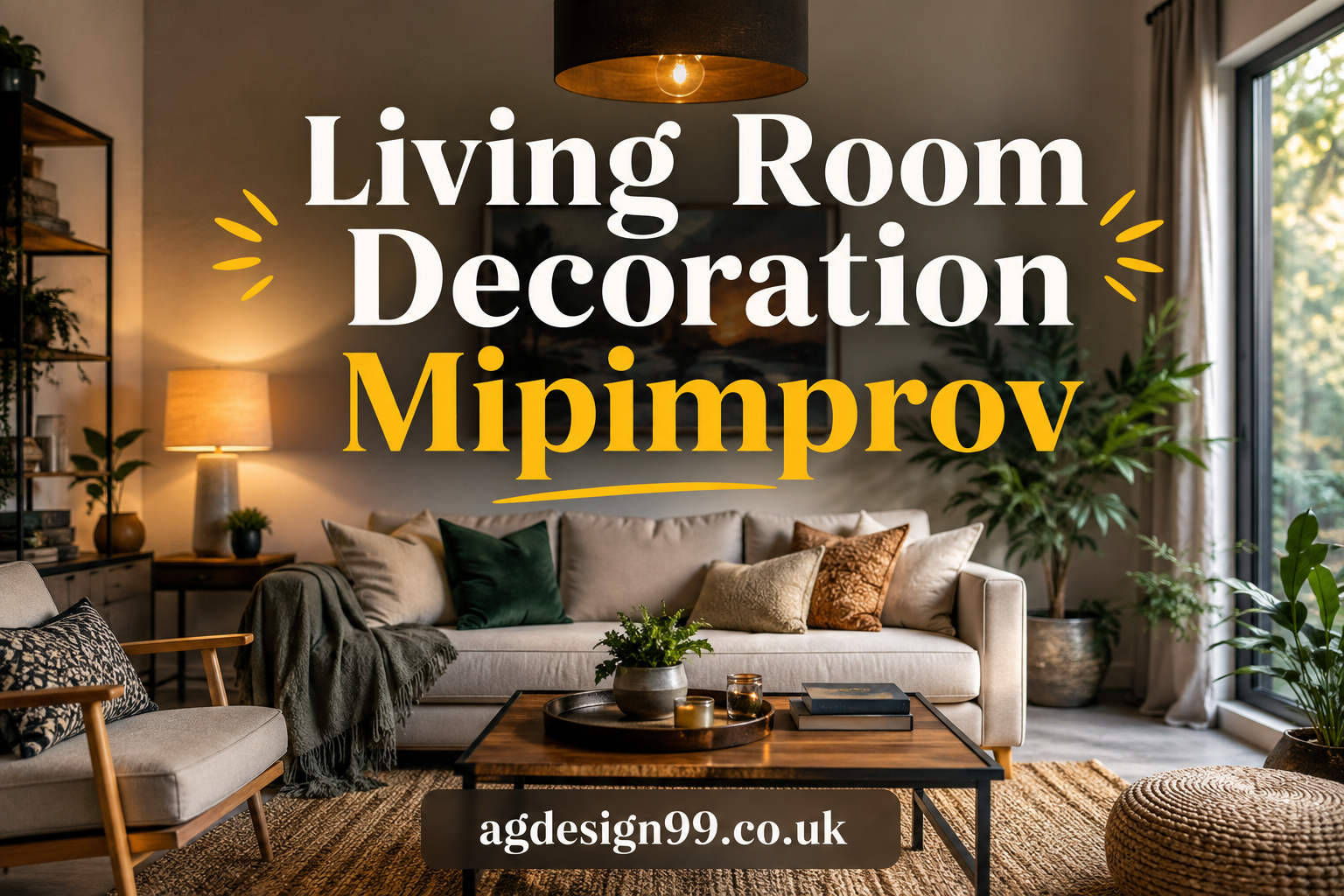
Living Room Decoration Mipimprov ideas to Transform your space with style, comfort, lighting, layout tips, and modern design tricks.
At its core, mipimprov-style living room decoration is about incremental improvement with design awareness.
Instead of redesigning everything, you improve in layers:
- Layout first
- Lighting next
- Then textures
- Then styling details
It’s less about trends and more about awareness. You look at your space and ask: What’s working, what’s not, and what small change would make the biggest difference?
That mindset alone already separates average rooms from well-designed ones.
Start With Layout
If a living room feels off, layout is usually the reason. Not furniture. Not color. Layout.
Why layout matters more than decor
You can have expensive furniture, but if it’s placed poorly, the room feels cramped or disconnected. On the flip side, even basic furniture looks intentional when arranged correctly.
A simple approach to improve layout
Start by observing movement:
- Can people walk through the room easily?
- Is there a clear focal point?
- Does seating feel conversational or isolated?
Then adjust:
- Pull furniture slightly away from walls when possible
- Group seating to encourage conversation
- Align chairs and sofas around a shared center point
The goal isn’t perfection. It’s flow.
A well-placed sofa can do more for your room than a dozen decorative items ever will.
Lighting
Lighting changes everything. It affects mood, depth, and even how big a room feels.
One light source is never enough
A single ceiling light flattens the entire space. It removes dimension.
Instead, think in layers:
- Ambient light: ceiling or main fixture
- Task light: reading lamps or desk lights
- Accent light: floor lamps or decorative lighting
Warm light makes a difference
Cool white light often feels harsh and clinical. Warm lighting creates softness and depth. It makes even simple furniture feel intentional.
A well-lit room doesn’t just look better. It feels better.
Texture
People often focus on colors. But texture is what makes a room feel alive.
Mix textures, don’t match everything
A room where everything looks the same becomes visually boring. Instead, combine:
- Soft cushions with rough woven rugs
- Smooth wood with fabric upholstery
- Matte surfaces with subtle shine
This contrast creates depth without clutter.
Simple upgrades that work fast
- Add a knitted throw on the sofa
- Replace flat cushions with layered textures
- Introduce a rug that defines the seating area
You don’t need more items. You need better variation.
The Power of Negative Space
One of the most overlooked parts of living room decoration mipimprov is knowing when to leave space empty.
Empty space is not wasted space. It’s breathing room.
Why clutter makes rooms feel smaller
When every surface is filled, the eye has nowhere to rest. The room feels busy, even if it’s not messy.
What to do instead
- Leave some shelves partially empty
- Keep coffee tables minimal
- Avoid filling every corner with decor
Design isn’t about filling space. It’s about balancing it.
Furniture Styling
You don’t need more furniture. You need clarity in what you already have.
Anchor your seating area
Every living room needs a visual anchor. This could be:
- A rug
- A coffee table
- A TV wall
- A large artwork
Once the anchor is set, everything else supports it.
Avoid “floating furniture syndrome”
This happens when furniture feels randomly placed without connection. Fix it by grouping pieces closer and creating intentional zones.
Think in clusters, not isolated objects.
Walls That Actually Do Something
Blank walls can make even a well-furnished room feel unfinished.
Simple wall upgrades
- One large framed artwork instead of many small pieces
- A mirror to reflect light and expand space
- A subtle gallery wall with consistent framing
What to avoid
Random arrangements with no visual rhythm. That’s where most wall decor goes wrong.
A wall should either support the room’s story or stay quiet.
Plants
If a room feels static, plants fix that instantly.
Why plants work so well
They add:
- Color variation
- Natural texture
- A sense of movement
Easy placement ideas
- A tall plant in an empty corner
- Small plants on side tables
- A single statement plant near seating
Even one plant can shift the energy of the space.
Styling Details That Don’t Feel Forced
This is where personality shows up, but it needs restraint.
Coffee table styling
A simple formula works best:
- One tray
- One or two decorative objects
- One book stack
That’s it. No overcrowding.
Shelves and surfaces
Instead of filling every inch:
- Leave gaps
- Mix vertical and horizontal objects
- Repeat materials for consistency
Good styling feels accidental, even though it’s intentional.
Color Balance Without Overthinking It
You don’t need a complex color theory. You just need balance.
A simple approach
- One base color (neutral tone)
- One secondary tone (soft contrast)
- One accent color (small pops only)
Too many colors create noise. Controlled color creates calm.
Bringing It All Together
Living room decoration mipimprov isn’t a checklist. It’s a way of thinking.
You don’t redesign everything at once. You observe, adjust, and refine.
Maybe you start with lighting this week. Next week, you shift the sofa. Later, you simplify surfaces. Over time, the room naturally becomes more intentional without ever feeling forced.
That’s the real advantage of this approach: it works with real life, not against it.
Conclusion
A great living room isn’t about chasing perfection. It’s about making thoughtful improvements that actually fit how you live.
When you combine layout awareness, layered lighting, texture mixing, and clean styling, the room stops feeling random. It starts feeling designed—without ever looking overdone.
And that’s the real goal of living room decoration mipimprov: not transformation in one dramatic step, but steady improvement that feels natural every time you walk in.
FAQs
1. What does living room decoration mipimprov mean?
It refers to a gradual, practical approach to improving a living room using small, intentional design changes instead of full renovations.
2. How can I improve my living room on a budget?
Focus on layout, lighting, and textiles first. These three changes create the biggest visual impact without spending much.
3. What is the fastest way to make a living room look better?
Rearranging furniture and improving lighting usually deliver the quickest noticeable transformation.
4. Do I need expensive furniture for a stylish living room?
No. Good layout, balance, and styling matter more than expensive pieces.
5. How many colors should I use in a living room?
Ideally three: a base, a secondary tone, and a small accent color.
Read also: Jewelry Design Styles, Materials, and Creative Ideas