

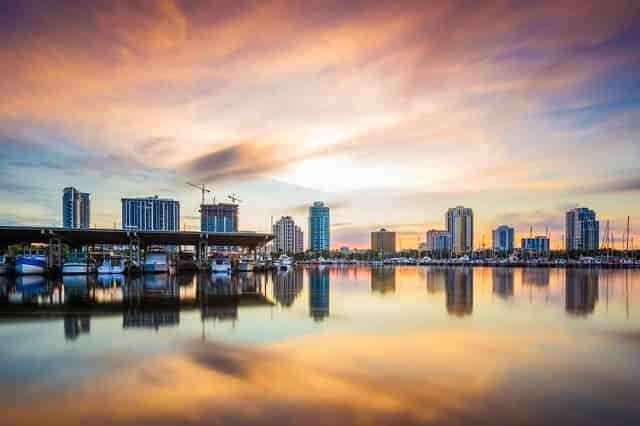
St. Petersburg, Florida is built for short stays. The city does not demand preparation, nor does it overwhelm with scale. Streets are readable, distances are manageable, and the water never feels far away. For a break of three or four days, this matters more than headline attractions. You can arrive late, start slow, and still feel you have seen something real by the time you leave.
This is not a destination that rewards rushing. It rewards walking, sitting, watching, and letting the day shape itself. The rhythm is calm without being dull. Mornings belong to the waterfront, afternoons to shade and coffee, evenings to food, conversation, and light. That balance is why St. Petersburg works so well for a short holiday, especially if you want to return home rested rather than exhausted.
Arrival and First Orientation, Understanding the Shape of the City
St. Petersburg sits on a peninsula between Tampa Bay and the Gulf of Mexico. This geography shapes everything. Water frames the city on multiple sides, and breezes move through even on warm days. When you arrive, whether by car from Tampa International Airport or from elsewhere in Florida, the change in pace is noticeable within minutes.
Downtown is compact and logical. You do not need a car if you stay centrally. Most visitors underestimate how walkable the core is. From the waterfront parks to the cafés along Central Avenue, distances rarely exceed twenty minutes on foot. This makes short stays easier because time does not disappear into transport.
The city divides naturally into a few zones. Downtown and the waterfront form the cultural and social heart. Central Avenue stretches westward as a long spine of food, bars, galleries, and local shops. The beaches sit further out, separated enough to feel like a deliberate excursion rather than an obligation. Understanding this layout early helps you avoid over-planning.
Where to Stay, Choosing Location Over Extras
Accommodation choice in St. Petersburg should start with location, not amenities. On a short stay, proximity shapes your days more than room size or pool design.
Staying downtown places you within walking distance of parks, museums, restaurants, and evening life. Areas near Central Avenue work especially well. From here, mornings can start with a walk to the water, afternoons with coffee and shade, and evenings without needing transport.
Hotels near Vinoy Park offer direct access to green space and the bay. This area feels open and calm, particularly in the early morning. Boutique hotels in converted historic buildings add character without excess formality. They suit travellers who plan to spend most of their time outside the room.
Beachfront resorts appeal to visitors who want the Gulf directly outside their door. For a short city-focused stay, however, they can feel isolating. You gain sand but lose spontaneity. If your aim is to walk, eat well, and explore without schedules, downtown remains the better base. Short-term rentals work best for longer stays; for a few nights, hotels simplify everything.
Morning Walks and Waterfront Time, Letting the Day Begin Slowly
Mornings in St. Petersburg belong to the water. The light is soft, the air cooler, and the city still quiet. A walk along the bay sets the tone for the day without effort.
The St. Pete Pier functions as both landmark and meeting point. Locals jog, visitors wander, and pelicans rest along the railings. You do not need to plan much here. Coffee stands, benches, and open views do the work for you. Spending an hour walking, sitting, and watching boats move through the bay feels unforced and complete.
Parks line the waterfront, offering shade and space. These are not manicured showpieces but usable public areas. People read, stretch, or simply sit. This everyday quality is part of the city’s appeal. You are not observing a performance; you are joining a routine.
Breakfast tends to be casual. Cafés open early, with outdoor seating preferred whenever possible. The city encourages slow starts. No one rushes you through a meal, and no one seems surprised if breakfast stretches into late morning.
Central Avenue and the Pleasure of Wandering
Central Avenue is the spine of St. Petersburg’s daily life. It runs long enough to feel substantial but remains approachable. Walking it in sections across different days reveals how the city shifts by time and block.
In the morning, it feels local and practical. Bakeries, coffee shops, and small stores open their doors. By midday, galleries and independent shops draw foot traffic. Murals appear unexpectedly, turning side streets into informal exhibitions. None of this requires planning. The pleasure lies in noticing details rather than ticking off locations.
Afternoons benefit from shade and indoor pauses. Small cafés provide refuge from heat without demanding commitment. You can step inside, cool down, and step back out without breaking the flow of the day. This rhythm suits short stays because it avoids fatigue.
As evening approaches, Central Avenue changes character. Bars fill gradually, not all at once. Conversations spill onto pavements. Music drifts from open doors rather than dominating the street. The atmosphere feels social rather than performative, which makes it easy to join without effort.
Art, Museums, and Visual Culture Without Overload
St. Petersburg places art within reach without turning it into a chore. You can engage deeply or lightly, depending on mood.
The The Dalí Museum stands out for its focus and clarity. Even visitors who rarely visit museums often find it absorbing. The building itself invites curiosity, while the collection rewards attention without demanding prior knowledge. A single visit here can anchor an afternoon.
Beyond major institutions, smaller galleries and studios appear throughout the city. Many are free or low-pressure. You can step in, look around, and leave without ceremony. Street art plays a similar role. Murals appear on warehouse walls and side streets, adding colour without announcing themselves.
Visual culture in St. Petersburg does not insist on importance. It exists alongside daily life rather than above it. This makes engagement feel optional rather than obligatory, which suits a short holiday where energy varies from day to day.
Eating Well Without Turning Food Into a Project
Food in St. Petersburg supports the trip rather than defining it. Meals fit into the day naturally, without requiring research or reservations unless you want them.
Breakfast and lunch remain informal. Outdoor seating dominates whenever weather allows. Menus lean towards seafood, light dishes, and fresh ingredients, reflecting the coastal setting. Portions are reasonable, encouraging conversation rather than haste.
Dinner offers more choice but retains a relaxed tone. Restaurants range from simple neighbourhood spots to more refined rooms, yet few feel stiff. Spaces are designed for lingering, with layouts that encourage conversation. Even design details, such as comfortable restaurant booths, quietly influence how long people stay and how evenings unfold.
Drinks follow the same logic. Craft beer and cocktails are widely available, but presentation rarely overshadows atmosphere. Waterfront bars attract sunset crowds, while inland venues feel more local. You can move between them without changing clothes or mindset.
The key is restraint. You do not need to try everything. Eating once or twice a day out, with snacks and coffee filling the gaps, keeps the trip balanced and unforced.
Beaches as Short Detours Rather Than Destinations
St. Petersburg’s beaches are close enough to reach easily but far enough to feel like a choice. This separation works in favour of short stays.
St. Pete Beach offers wide sand, clear water, and reliable sunsets. Visiting for half a day often feels sufficient. Mornings suit walking and swimming, while late afternoons bring colour and cooler air.
Other beaches nearby provide quieter alternatives. These suit visitors seeking space rather than activity. The key is timing. Going early or late avoids crowds and heat, allowing the beach to complement the city rather than compete with it.
Importantly, you do not need to visit the beach every day. The waterfront within the city already provides water views and breezes. Treating the beach as a variation rather than the main event keeps the holiday balanced.
Evenings, Light, and the Social Pace
Evenings in St. Petersburg unfold gradually. There is no sharp transition from day to night. Light fades slowly, and people adjust with it.
Sunset draws attention almost everywhere. Whether from the pier, a park bench, or a bar terrace, watching the sky change colour feels communal. People pause, look up, and then continue with their evening.
After dark, the city remains active without becoming loud. Live music appears in bars without dominating conversation. Streets feel safe and navigable. You can move between venues without planning a route or worrying about transport.
This ease suits short stays because it removes friction. You can follow mood rather than schedule, staying out late one night and returning early the next without feeling you have missed something.
Practical Notes That Shape the Stay
Weather influences everything. The best short stays tend to fall outside peak summer heat. Spring and autumn offer warm days with manageable humidity. Winter brings mild temperatures and clear skies, making walking comfortable.
Clothing should match the pace. Light layers work better than formal outfits. Comfortable shoes matter more than style statements. The city rewards practicality.
Transport remains optional. Rideshares cover longer distances easily, especially to beaches. Parking exists but rarely feels necessary if you stay centrally.
Leaving St. Petersburg, A Sense of Completion
Short stays in St. Petersburg often feel complete rather than rushed. This is the city’s quiet strength. You do not leave with a checklist of missed attractions. You leave with a sense of having lived somewhere briefly.
The memory tends to focus on moments rather than sites. A morning walk by the water. A long dinner without urgency. A sunset that paused conversation. These details linger because they were not forced.
St. Petersburg does not demand loyalty or promise transformation. It offers space, light, and time, then lets you decide how to use them. For a short vacation, that balance proves more valuable than spectacle.