Graphic Design often looks like something simple on the surface, but in reality, it plays a huge role in almost everything people see every day. From the apps on a phone to the posters on the street, visual communication silently guides attention and shapes decisions. The problem most people face is that they do not realize how much design influences their thoughts, feelings, and even buying choices. What this really means is that Graphic Design is not just decoration; it is communication with purpose. It helps turn complex ideas into visuals that people can quickly understand without confusion. As we explore this topic, you will start noticing how deeply design is connected to daily life, business, and even culture.
What Graphic Design Really Means
Graphic Design means using visuals like images, shapes, text, and colors to share an idea or message in a clear and attractive way. What it means in simple words is that designers act like visual storytellers. Instead of using spoken or written language alone, they use visual tools to explain something quickly and effectively. This includes everything from a brand logo to a mobile app interface. The goal is always the same, which is to make communication easier and more engaging. When Graphic Design is done well, people understand messages instantly without needing long explanations.
The Background and How It Started
Graphic Design did not appear suddenly in the modern world. It slowly developed over time as humans began to communicate visually. Early forms can be seen in ancient cave paintings, symbols, and handwritten manuscripts. Later, the invention of printing technology allowed designs to be reproduced on paper, which changed communication forever. As time moved forward, advertising and publishing industries pushed Graphic Design into a professional field. Today, digital tools have taken it even further, making design faster, more flexible, and more accessible than ever before.
Why Graphic Design Matters Today
Graphic Design matters today because attention is limited and competition for it is extremely high. People scroll through content quickly, so visuals must speak faster than words. This is where design becomes powerful. It helps brands stand out, builds trust, and creates emotional connections. Without strong design, even a great idea can go unnoticed. In business, education, entertainment, and social media, Graphic Design acts as the bridge between information and understanding.
Core Elements of Graphic Design
Graphic Design is built on several important elements that work together to create meaning. These include color, shape, typography, space, texture, and images. Each element plays a role in how the final design feels and communicates. For example, colors can create emotions, while typography can set the tone of a message. When these elements are balanced properly, the design becomes clear and visually appealing. When they are not balanced, the message becomes confusing or weak.
Tools Used in Graphic Design
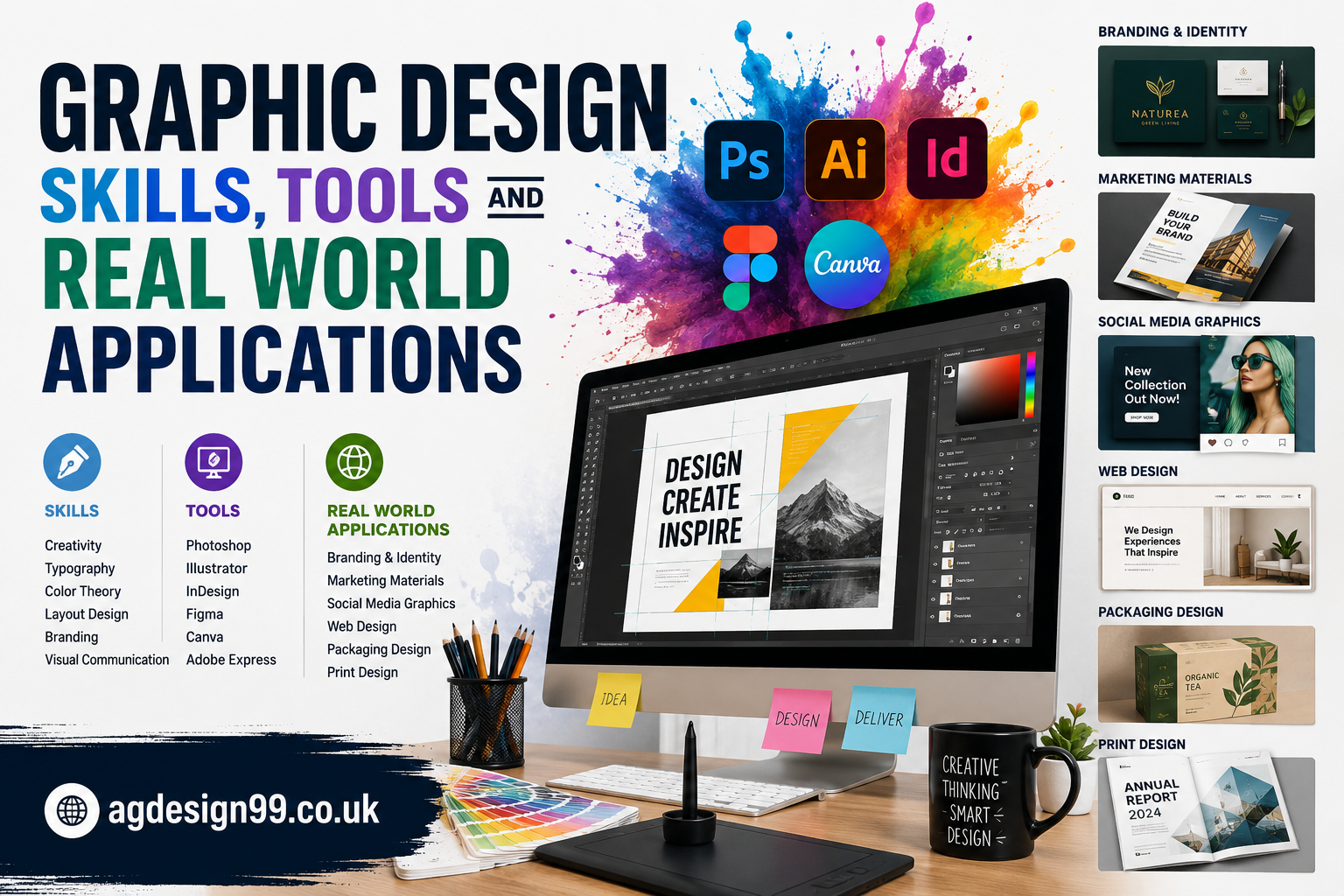
Modern Graphic Design relies heavily on digital tools that make the creative process faster and more precise. Designers use software to create, edit, and refine visuals with great control. These tools allow experimentation without damaging the original idea. Popular platforms include advanced editing software and online design tools that help both beginners and professionals create high-quality visuals. With the rise of technology, these tools continue to evolve and introduce new possibilities for creativity.
How Graphic Design Works Step by Step
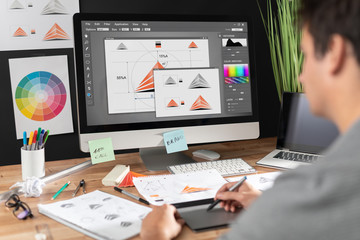
Graphic Design usually follows a clear creative process. It begins with understanding the problem or message that needs to be communicated. After that, designers research ideas, gather inspiration, and plan rough sketches. Next comes the creation stage where visuals are built using tools and software. Then designers refine the work by adjusting colors, spacing, and typography. Finally, the design is reviewed and finalized. What this process shows is that Graphic Design is not random creativity; it is structured thinking combined with artistic skill.
Role of Color in Graphic Design
Color plays a powerful role in Graphic Design because it directly affects emotions and perception. Different colors can create different moods. For example, warm colors can feel energetic, while cool colors can feel calm and professional. Designers carefully choose color combinations to support the message of the design. What it means is that color is not just decoration; it is a communication tool that influences how people respond to visuals.
Importance of Typography
Typography refers to the style and arrangement of text in design. It is one of the most important parts of Graphic Design because it affects readability and tone. A strong font choice can make a message feel modern, serious, playful, or elegant. Poor typography can make even good content difficult to understand. Designers spend a lot of time selecting fonts and adjusting spacing to ensure that the text feels natural and easy to read.
Layout and Composition Basics
Layout and composition are about arranging elements in a balanced and visually pleasing way. In Graphic Design, this means deciding where text, images, and other elements should go on a page or screen. A good layout guides the viewer’s eye naturally through the content. It prevents confusion and helps highlight important information. What this really means is that composition acts like the invisible structure that holds the entire design together.
Real World Example in Branding
In branding, Graphic Design becomes the identity of a company. For example, imagine a new coffee shop trying to attract customers. The logo, packaging, menu design, and social media visuals all work together to create a brand personality. If the design feels warm and inviting, people are more likely to trust the brand. This shows how design directly influences business success in the real world.
Graphic Design in Advertising
Advertising relies heavily on Graphic Design to grab attention quickly. Whether it is a billboard, online banner, or product poster, the design must communicate the message in seconds. Designers use strong visuals, bold text, and clear layouts to make advertisements memorable. What this means is that without Graphic Design, advertising would struggle to connect with audiences effectively.
Graphic Design in Social Media
Social media is one of the biggest platforms where Graphic Design plays a major role. Every post, story, and thumbnail is designed to attract attention in a crowded feed. Good design increases engagement, shares, and visibility. Brands and creators use consistent visual styles to build recognition. This shows how Graphic Design has become essential for online communication and personal branding.
Graphic Design in Web and Apps
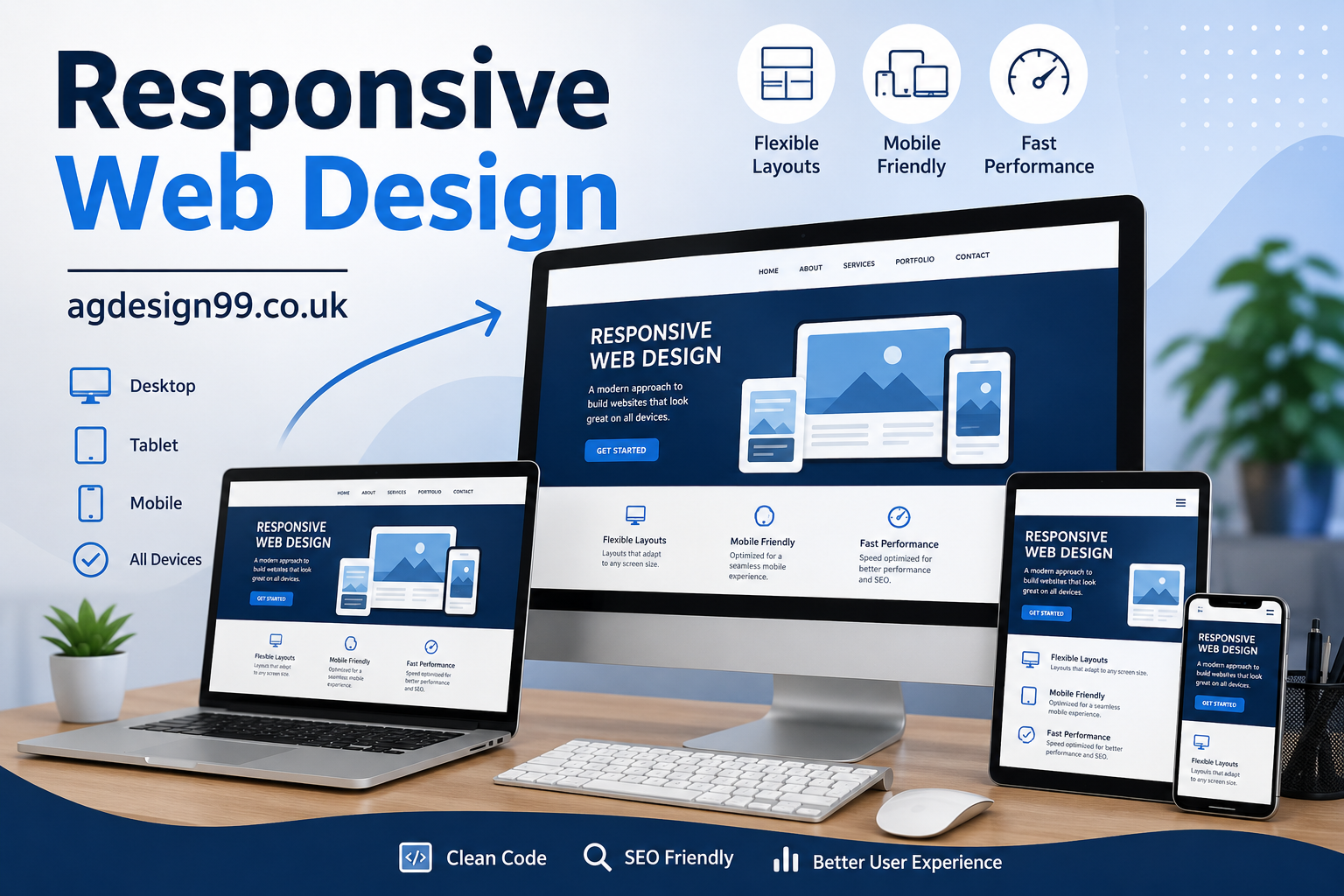
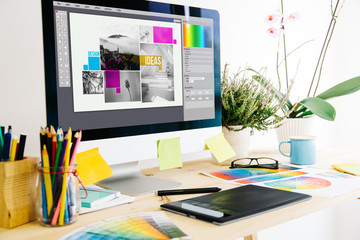
Websites and mobile apps depend on Graphic Design to provide a smooth user experience. A well-designed interface helps users find information easily and interact without confusion. Buttons, icons, spacing, and color schemes all contribute to usability. What it means is that design is not just about looks; it directly affects how people interact with technology.
Benefits of Graphic Design
Graphic Design offers many benefits across different fields. It improves communication, strengthens branding, increases engagement, and simplifies complex ideas. Businesses use it to attract customers, educators use it to explain concepts, and creators use it to share stories. In simple terms, design makes information more powerful and easier to understand.
Challenges Designers Face
Even though Graphic Design is creative, it comes with challenges. Designers often face tight deadlines, changing client demands, and creative pressure. Sometimes ideas look good in theory but do not work in practice. Balancing creativity with clarity is another challenge. What this shows is that design requires both artistic skill and problem-solving ability.
Common Mistakes Beginners Make
Beginners in Graphic Design often make mistakes like using too many fonts, poor color combinations, or overcrowded layouts. Another common issue is ignoring spacing, which makes designs feel messy. These mistakes usually happen due to lack of experience. Over time, designers learn that simplicity often creates stronger visual impact.
How AI is Changing Graphic Design
Artificial intelligence is changing Graphic Design in many ways. It helps automate repetitive tasks, generate ideas, and even create full designs in seconds. This does not replace human creativity but supports it. Designers now use AI tools to speed up workflows and explore more ideas. What this really means is that design is becoming more efficient and accessible.
Future of Graphic Design
The future of Graphic Design looks highly digital and interactive. With advancements in technology, designs will become more immersive, including 3D visuals, augmented reality, and motion-based experiences. Personalization will also increase, where designs adapt to individual users. This evolution shows that Graphic Design will continue to grow with technology and human creativity.
Skills Needed to Become a Designer
To become a successful Graphic Designer, several skills are important. These include creativity, communication, attention to detail, and technical knowledge of design tools. Understanding visual balance and color theory also plays a major role. What it means is that good designers are both artists and thinkers who solve visual problems.
Career Opportunities in Graphic Design
Graphic Design offers many career paths. Designers can work in branding agencies, advertising companies, tech firms, publishing houses, or as freelancers. Each path offers different experiences and creative challenges. The demand for skilled designers continues to grow as visual content becomes more important in digital communication.
Practical Tips for Beginners
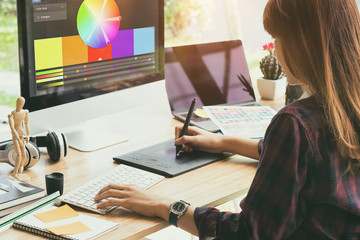
For beginners starting in Graphic Design, the key is practice and observation. Studying real-world designs and experimenting with tools helps build confidence. Keeping designs simple at first and focusing on clarity is important. Over time, skills improve through consistency and learning from mistakes. What this means is that progress in design comes from steady practice, not perfection at the start.
Conclusion
Graphic Design is more than just creating visuals; it is about solving communication problems in a creative way. From simple logos to complex digital interfaces, it shapes how people see and understand the world. As technology continues to grow, design will only become more important. The real power of Graphic Design lies in its ability to turn ideas into visuals that speak instantly and clearly.
Frequently Asked Questions about Graphic Design
Q What is Graphic Design?
A It is the process of creating visual content to communicate messages.
Q Is Graphic Design hard to learn?
A It takes practice but becomes easier with time.
Q What tools do designers use?
A They use digital software for creating and editing visuals.
Q Can I learn Graphic Design at home?
A Yes, many people learn it through online practice and self-study.
Q Is Graphic Design a good career?
A Yes, it offers many job opportunities in different industries.