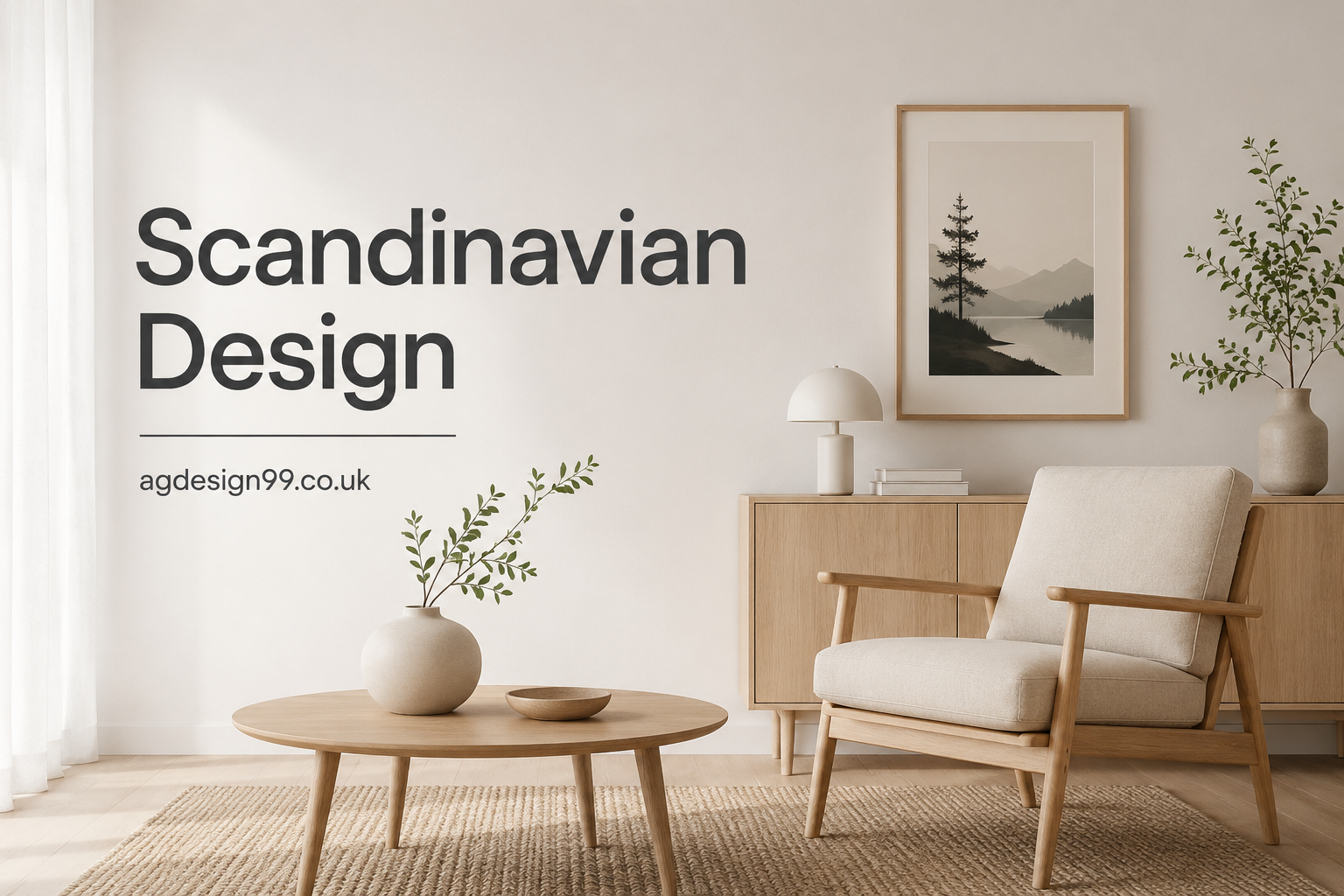
Scandinavian design often looks simple at first glance, yet it creates a strong emotional reaction when people experience it in real spaces. In today’s world, many homes feel overloaded with objects, colors, and visual noise, and this creates a quiet problem that people don’t always notice immediately. Scandinavian design steps into this situation and offers a very different direction. It focuses on calmness, space, and clarity instead of excess. What this really means is that it removes everything unnecessary so that what remains feels meaningful and functional. People are naturally curious about why such a simple style feels so powerful, especially when modern life keeps adding more complexity everywhere. As a result, Scandinavian design becomes more than decoration; it becomes a response to modern overwhelm and a way of living that encourages balance, comfort, and mental ease in everyday environments.
Why people struggle with modern interior clutter
Most modern interiors suffer from one common issue, and that is accumulation without intention. People buy furniture, decorations, and accessories over time without thinking about how everything connects as a whole. As a result, rooms start to feel heavy, crowded, and visually stressful. Scandinavian design directly addresses this issue by encouraging intentional selection instead of random collection. It teaches that every object in a room should earn its place through usefulness or emotional value. When people first hear this idea, it might sound restrictive, but in reality it creates freedom. A space with fewer but better items becomes easier to maintain, easier to clean, and easier to enjoy. This shift also reduces mental fatigue because the brain no longer has to process unnecessary visual information all the time, which is something many people experience without realizing the cause behind it.
What Scandinavian design really means simple definition
Scandinavian design is a style and philosophy that focuses on simplicity, functionality, and comfort in everyday environments. What it means in simple words is designing spaces and objects that look clean but also work efficiently in real life. It is not about removing personality or making everything empty. Instead, it is about choosing only what adds value and removing what creates distraction. Scandinavian design also respects human needs deeply, especially comfort, natural light, and practical use. It does not treat design as decoration alone but as a way of improving daily life. This is why it appears in homes, furniture, architecture, and even product design. The goal is always the same: create something that feels calm, works well, and lasts for a long time without losing relevance or beauty in changing trends.
Origin of Scandinavian design and Nordic lifestyle influence
Scandinavian design developed in the Nordic region where long winters, limited daylight, and strong cultural values shaped how people built their living spaces. Countries like Denmark, Sweden, Norway, Finland, and Iceland influenced this movement through their shared focus on simplicity and functionality. Because natural light is limited for many months, interiors were designed to maximize brightness and openness. At the same time, people valued comfort and warmth inside their homes, which led to a balance between minimal structure and cozy living. This combination created a unique design identity that feels both practical and emotional. Over time, designers from this region began to refine these ideas into furniture, architecture, and everyday objects. The result was a style that did not rely on decoration but instead relied on form, purpose, and human experience as its foundation.
Early history and cultural roots
The early development of Scandinavian design can be traced back to the early twentieth century when designers started reacting against overly decorative and complex styles. They wanted something more honest and more connected to real life. Cultural values in the Nordic region also played a strong role because people traditionally valued equality, practicality, and modest living. These values naturally influenced how objects and homes were designed. Instead of showing wealth through excess, people focused on quality and usability. This mindset shaped early furniture pieces that were simple in appearance but carefully crafted. Over time, exhibitions and international recognition helped spread these ideas beyond Scandinavia. What started as a regional approach gradually became a global design language that still influences modern interiors, architecture, and product development today.
Core principles of Scandinavian design
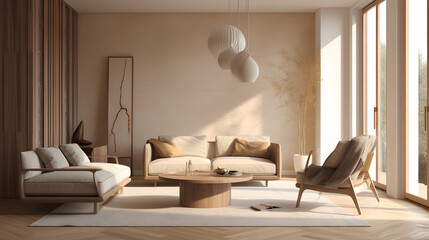
Scandinavian design is built on a few core principles that guide every decision. The first principle is simplicity, which means removing unnecessary elements. The second is functionality, where every object must serve a purpose. The third is accessibility, meaning design should be usable for everyday people, not just a select group. Another important principle is harmony with nature, which encourages the use of natural materials like wood and wool. Light also plays a central role, so spaces are designed to feel open and bright. What this means in practice is that designers constantly balance beauty and usefulness instead of choosing one over the other. These principles work together to create environments that feel calm, structured, and easy to live in without requiring constant effort or maintenance from the user.
Materials and textures that define the style
Materials in Scandinavian design are chosen carefully to reflect honesty and natural beauty. Wood is one of the most important materials because it adds warmth and texture to simple spaces. Light-colored woods are often preferred because they enhance brightness and create a soft visual effect. Alongside wood, natural fabrics like linen, cotton, and wool are widely used to add comfort without overwhelming the design. Metal and glass are also used but usually in subtle ways to maintain balance. What this means is that materials are never used just for appearance; they are chosen for how they feel, age, and function over time. The textures are usually soft, smooth, and natural, which helps create a sense of calmness in the environment. This careful material selection is one of the reasons Scandinavian design feels so grounded and timeless.
Color philosophy and natural light importance
Color plays a very important role in Scandinavian design, but it is used in a controlled and thoughtful way. The base palette usually includes whites, soft grays, beige tones, and muted earthy colors. These shades help reflect natural light, which is especially important in regions with long winters and limited daylight. What this means is that color is not used to dominate a space but to support brightness and openness. Natural light is treated as a key design element rather than an afterthought. Large windows, minimal window coverings, and open layouts are common features. Together, light and color create a sense of airiness that makes even small rooms feel larger and more comfortable. This approach shows how design can directly influence mood and perception without relying on heavy decoration.
Furniture design approach and functionality
Furniture in Scandinavian design is created with a strong focus on usability and long-term comfort. Every piece is designed to serve a clear purpose, whether it is seating, storage, or daily function. Clean lines and simple shapes are common, but behind that simplicity is careful planning. Designers think about how people will actually use the furniture in everyday life. Chairs are shaped for comfort, tables are designed for efficiency, and storage solutions are created to reduce clutter. What this means is that furniture is not just visual; it actively improves how people live in a space. Durability is also important, so materials and construction are chosen to ensure long-lasting performance. This combination of simplicity and practicality is what makes Scandinavian furniture recognizable and widely appreciated.
Step by step how Scandinavian design is created
Creating a Scandinavian-inspired space follows a natural and thoughtful process. First, the space is cleared of unnecessary items to create openness. Next, designers analyze how the space will actually be used in daily life. After that, essential furniture is selected based on function rather than appearance alone. Then, natural materials are introduced to add warmth and texture. Lighting is carefully planned to maximize natural brightness and reduce harsh artificial effects. Finally, small details like textiles and subtle decor are added to create comfort without overcrowding the space. What this means is that every step builds on purpose rather than decoration. The process is not rushed, and each decision supports the idea of simplicity and clarity. The final result feels balanced, functional, and visually calm without losing personality or warmth.
Role of minimalism in Scandinavian design
Minimalism is often associated with Scandinavian design, but it is not about empty spaces or lack of personality. Instead, it is about reducing distractions so that meaningful elements can stand out. Scandinavian minimalism focuses on removing excess while keeping comfort and usability intact. What this means is that minimalism here is practical rather than extreme. It helps people focus better, move more freely in their space, and maintain a cleaner environment without constant effort. The goal is not to strip life away but to make space for what truly matters. This approach also encourages mindful consumption, where people think carefully before adding anything new to their environment. As a result, spaces feel lighter, more intentional, and more connected to everyday living.
Real world example home scenario
Imagine a small apartment where every room feels crowded with furniture, decorations, and stored items. Moving around feels slightly stressful, and cleaning takes more time than expected. Now imagine transforming that same space using Scandinavian design principles. Unnecessary furniture is removed, natural light is maximized, and only essential items remain. Suddenly, the apartment feels larger, calmer, and easier to live in. A simple wooden table replaces a bulky setup, soft neutral colors replace heavy patterns, and open space becomes part of the design itself. What this means is that the home no longer feels like a storage area but a living environment that supports relaxation and clarity. The transformation is not about spending more money but about making smarter choices.
Another example workspace scenario
In a busy workspace filled with papers, screens, and clutter, focus often becomes difficult. Scandinavian design can change this environment by introducing structure and simplicity. Desks are cleared to include only necessary tools, storage is organized efficiently, and lighting is adjusted to reduce strain. Natural materials and neutral colors help reduce visual noise, which improves concentration. What this means in practice is that employees or users can think more clearly and work with less mental fatigue. The workspace becomes a place of productivity rather than distraction. Even small changes like better chair design or improved layout can significantly impact performance and comfort over time.
Benefits of Scandinavian design for mental health
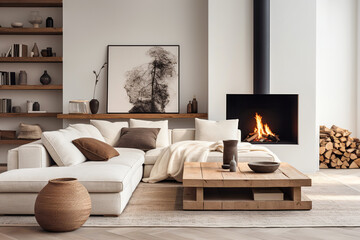
One of the strongest benefits of Scandinavian design is its positive impact on mental well-being. A clean and organized environment reduces stress because the brain processes fewer distractions. Natural light and soft colors create a calming atmosphere that helps people feel more balanced. What this means is that physical space directly influences emotional state. When a room feels open and calm, the mind often follows the same pattern. People also feel more in control of their environment when everything has a clear purpose and place. This reduces anxiety related to clutter or disorganization. Over time, living or working in such spaces can improve focus, relaxation, and overall quality of life without requiring major lifestyle changes.
Applications in interior design industry
Scandinavian design is widely used in the interior design industry because it adapts easily to different spaces and needs. Designers apply its principles in homes, offices, hotels, and public spaces. The focus on simplicity allows it to blend with modern architecture while still maintaining a distinct identity. What this means is that Scandinavian design is not limited to one type of building or culture. It can be adapted globally while still keeping its core values intact. Interior designers often use it as a foundation because it provides a clear structure for decision-making. Instead of overwhelming choices, it offers a guiding philosophy that prioritizes functionality and human comfort.
Applications in product and digital design
Beyond physical spaces, Scandinavian design principles are also used in product and digital design. Many modern apps and devices follow its logic of simplicity and usability. Clean interfaces, clear navigation, and minimal distractions reflect the same ideas found in interiors. What this means is that users can interact with technology more easily without confusion or overload. Products designed with this mindset feel intuitive and user-friendly because they focus on real human behavior. Even physical products like home appliances or furniture follow these principles by combining aesthetic simplicity with practical function. This shows how deeply influential Scandinavian design has become across different industries.
Challenges and limitations of Scandinavian design
Despite its strengths, Scandinavian design also comes with challenges. One limitation is that it can sometimes feel too simple or cold if not balanced properly. Without warmth and personal touches, spaces may appear too neutral or impersonal. Another challenge is that achieving true simplicity requires careful planning, which can actually take more time than expected. What this means is that minimalism is not always easy to execute. People may also misunderstand the style and remove too much, leading to empty or lifeless environments. Maintaining balance between simplicity and comfort is the key difficulty. Additionally, some materials or design choices can be expensive if high-quality standards are followed strictly.
Misconceptions about Scandinavian design
Many people misunderstand Scandinavian design and think it is only about white rooms and empty spaces. In reality, it is much more thoughtful and layered. It is not about removing personality but about expressing it in a subtle way. What this means is that Scandinavian design still allows creativity, but within a controlled structure. Another misconception is that it is expensive, but in truth it often encourages fewer but better choices, which can reduce unnecessary spending over time. Some also believe it is only a trend, but its long history shows that it is a stable design philosophy rather than a passing style. Understanding these misconceptions helps people appreciate its real value.
Future of Scandinavian design with AI and tech
The future of Scandinavian design is likely to evolve alongside technology and artificial intelligence. Smart homes, adaptive lighting, and intelligent furniture systems will integrate with its core principles of simplicity and function. What this means is that technology will not replace Scandinavian design but enhance it. AI could help optimize space usage, lighting conditions, and even furniture arrangement based on human behavior. At the same time, designers will continue focusing on emotional comfort and sustainability. The balance between human-centered design and technological innovation will define the next phase of this style, making it even more relevant in modern life.
Sustainability and eco friendly direction
Sustainability is already an important part of Scandinavian design, and it will become even more significant in the future. Designers prioritize natural, renewable materials and long-lasting construction to reduce waste. What this means is that design decisions are not only aesthetic but also environmental. Furniture and buildings are made to last for years instead of being replaced frequently. This reduces environmental impact and supports responsible living. Energy efficiency, recycling, and ethical production are also key considerations. Scandinavian design naturally aligns with eco-friendly thinking because both focus on reducing excess and respecting resources.
How beginners can apply Scandinavian design
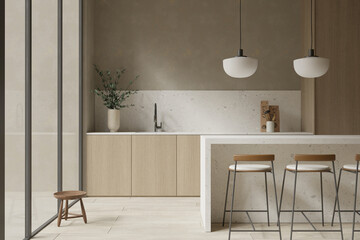
Beginners can apply Scandinavian design without completely redesigning their homes. The first step is to remove unnecessary items and focus only on essentials. Next, they can introduce neutral colors and improve natural lighting in their space. What this means is that small changes can already create noticeable improvements. Choosing simple furniture with clean lines also helps build the foundation of the style. Adding natural materials like wood or fabric brings warmth and balance. Beginners should avoid rushing the process and instead build the space gradually. The goal is not perfection but creating a more comfortable and functional environment over time.
Common mistakes people make
A common mistake in Scandinavian design is over-minimizing the space until it feels empty or uncomfortable. Another mistake is ignoring comfort in favor of appearance, which goes against the core philosophy. What this means is that balance is more important than strict rules. Some people also use too many neutral tones without texture, which can make a space feel flat. Others copy the style without understanding its purpose, leading to superficial results. The key is to focus on function, warmth, and livability rather than just visual simplicity. Avoiding these mistakes helps maintain the true essence of the design.
Conclusion
Scandinavian design is not just a visual style; it is a way of thinking about space, comfort, and daily life. It teaches that simplicity is not empty but meaningful, and that removing excess can actually improve how we live. What this means is that design becomes a tool for better living rather than just decoration. As people continue to face busy and overwhelming environments, this approach becomes even more valuable. By focusing on clarity, function, and calmness, anyone can create spaces that feel more balanced and human. In the end, Scandinavian design shows that less effort in clutter often creates more space for peace.
FAQs
What is Scandinavian design in simple words
It is a design style that focuses on simplicity, function, and comfort in everyday spaces.
Why is Scandinavian design popular
Because it creates clean, calm, and practical environments that improve daily living.
Is Scandinavian design expensive
Not necessarily, since it focuses on fewer but better-quality items.
Can I use Scandinavian design in small homes
Yes, it actually works very well in small spaces because it reduces clutter.
What colors are used in Scandinavian design
Mostly neutral colors like white, gray, beige, and soft earthy tones.